
Table of Contents
- How Automatic Litter Boxes Work and Who Should Buy One
- Best Automatic Litter Boxes
- How the Top Self-Cleaning Litter Boxes Compare
- Best Automatic Litter Boxes for Different Cats and Homes
- Purchase Price, Litter Costs, and Ongoing Supplies
- Setup, Cleaning, and Daily Maintenance
- Safety and Cat Acceptance Considerations
- Common Problems With Automatic Litter Boxes
- What to Check Before Choosing a Self-Cleaning Litter Box
- Choosing the Right Automatic Litter Box for Your Home
- Conclusion
- FAQ
Tired of the daily chore of scooping? You are not alone. Many pet owners are turning to technology to simplify their lives and keep their homes smelling fresh. Our guide explores the best automatic litter boxes currently on the market to help you find the perfect fit for your feline friend.
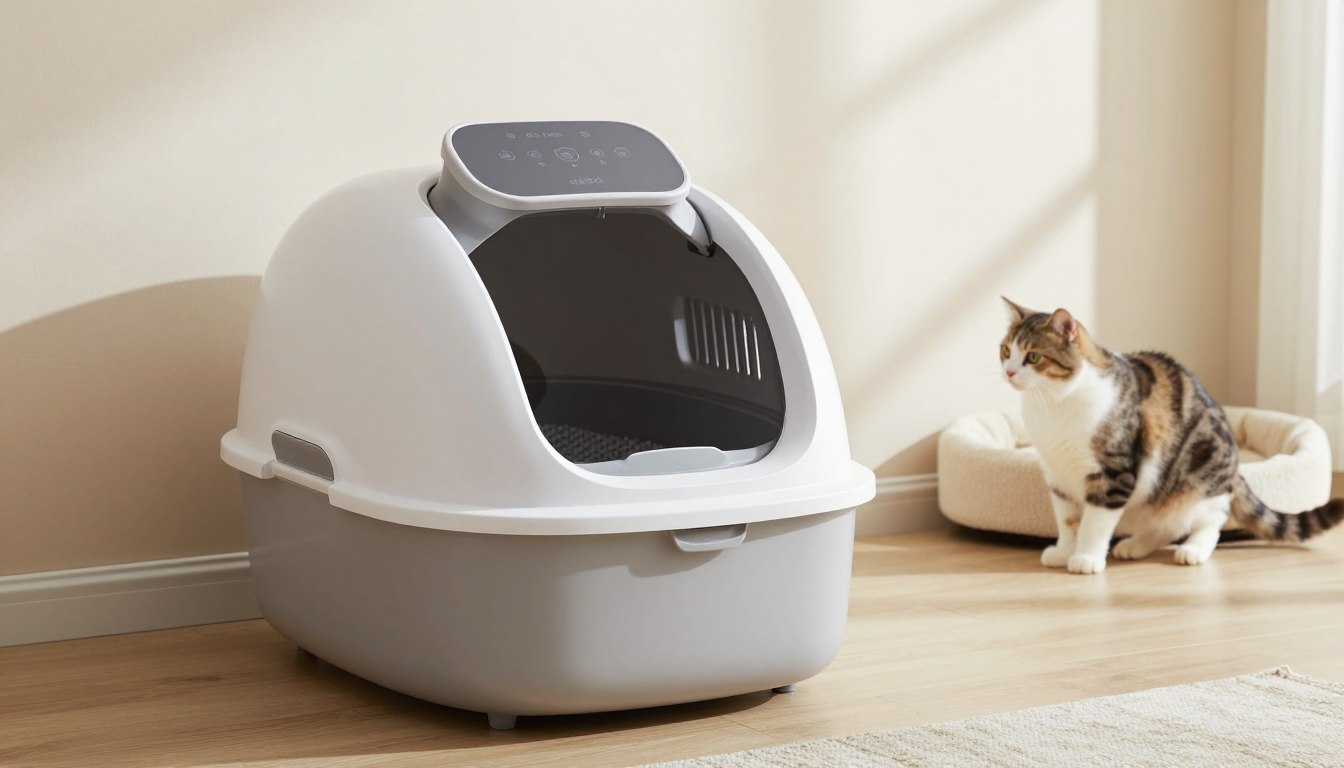
We have compiled comprehensive automatic litter box reviews covering 10 top-tier models. This list features industry leaders like Whisker, Neakasa, PetSnowy, Casa Leo, PETKIT, CATLINK, Popur, and PetSafe. Whether you have a small apartment or multiple cats, there is a solution here for your specific needs.
Beyond product comparisons, this article provides essential buying advice and maintenance tips. We also cover critical safety considerations and long-term cost factors. By the end of this guide, you will have all the information needed to invest in self-cleaning litter boxes with total confidence.
Key Takeaways
- Discover the top 10 high-tech waste management solutions for cats.
- Learn how to choose the right unit based on your home size and budget.
- Understand the importance of safety sensors for your pet’s protection.
- Get expert tips on routine maintenance to ensure long-term performance.
- Compare leading brands like Whisker, PETKIT, and Neakasa side-by-side.
How Automatic Litter Boxes Work and Who Should Buy One
The secret to a cleaner home often lies in the sophisticated sensors and motors of an automatic litter box. These devices are designed to simplify pet ownership by automating the most tedious part of cat care. By understanding how they function, you can decide if this technology is the right fit for your household.
What the self-cleaning cycle does after your cat uses the box
Most self-cleaning litter boxes rely on integrated weight sensors or motion detectors to identify when a cat has entered and exited the unit. Once the cat leaves, the machine initiates a safety countdown to ensure the area is clear. After this delay, a rake, a rotating chamber, or a sifting mechanism activates to separate waste from the clean clumping litter.
The waste is then deposited into a sealed drawer or compartment hidden beneath the unit. This process ensures that the remaining litter stays fresh and ready for the next use. Because the system handles the heavy lifting, you no longer need to manually sift through the box every single day.
How automatic litter boxes improve odor control and daily cleanup
One of the primary advantages of these systems is superior odor control. By isolating waste in a sealed container shortly after your cat finishes, the device prevents smells from lingering in your living space. This is a significant upgrade over traditional open pans that leave waste exposed to the air.
Beyond managing smells, these units drastically reduce the time you spend on daily maintenance. While you still need to empty the waste drawer periodically, the frequency of this task is much lower than daily scooping. This efficiency makes it easier to maintain a hygienic environment for both you and your pet.
Which cat households benefit most from automated cleaning
A multi-cat litter box setup is often the biggest game-changer for homes with more than one feline. In households with multiple cats, the litter box fills up quickly, making it difficult to keep up with manual cleaning. Automated systems ensure that the box is always clean for the next cat, which can help reduce territorial stress and accidents.
Busy professionals and families also find these devices incredibly helpful. When your schedule is packed, knowing that your cat’s bathroom needs are handled automatically provides great peace of mind. It allows you to focus on playing with your cat rather than worrying about chores.
Important limitations, including power, app, and litter requirements
While these machines are highly convenient, they are not entirely maintenance-free. You must ensure the unit is placed near a power outlet, as the motors and sensors require electricity to function. Additionally, most models require specific types of clumping litter to work correctly, as crystal or non-clumping varieties may clog the mechanism.
You will also need to perform routine maintenance, such as wiping down the interior and replacing waste bags or filters. While an automatic litter box significantly reduces your workload, it does not eliminate the need for occasional deep cleaning. Staying mindful of these requirements will help you get the most out of your investment.
Best Automatic Litter Boxes
Finding the right best automatic litter boxes requires looking at technology, size, and your cat’s specific needs. The market is filled with options ranging from premium smart units to budget-friendly crystal systems. This guide breaks down the top contenders to help you decide which automatic cat litter box fits your lifestyle.
Whisker Litter-Robot 4
Overview
The Litter-Robot 4 is widely considered the gold standard in the industry. It uses advanced laser sensors to monitor waste levels and cat weight.
Pros
- Excellent odor control with a sealed waste drawer.
- Whisper-quiet cleaning cycle.
- Compatible with most clumping litter.
Cons
- High upfront cost.
- Requires a dedicated space due to its footprint.
Features
This smart litter box includes a comprehensive app for health tracking and real-time notifications. It features a compact design that fits well in most homes.
Whisker Litter-Robot 3 Connect
Overview
As a reliable predecessor, the 3 Connect remains a favorite for those who want a proven litter robot experience at a slightly lower price point.
Pros
- Proven reliability over many years.
- Large waste capacity.
Cons
- Larger footprint than the newer model.
- Less advanced sensor technology.
Features
It offers basic app connectivity to monitor cycle counts and drawer status. It is a robust self-cleaning cat litter box for multi-cat households.
Neakasa M1 Self-Cleaning Cat Litter Box
Overview
The Neakasa M1 focuses on an open-top design, which is perfect for cats that feel claustrophobic in enclosed units.
Pros
- Very low entry height for senior cats.
- Large interior space.
Cons
- Requires more frequent cleaning of the exterior.
- Less effective at containing dust.
Features
It features a unique open-air design and a quiet motor. This cat litter box with app support allows for easy scheduling.
PetSnowy SNOW+ Self-Cleaning Litter Box
Overview
The PetSnowy SNOW+ is designed with a sleek, modern aesthetic that blends into home decor seamlessly.
Pros
- Integrated deodorizing system.
- Very quiet operation.
Cons
- The waste drawer can be tricky to empty.
- Higher price point.
Features
It includes a built-in air purifier and a large waste bin. It is a top choice for those prioritizing style and odor control.
Casa Leo Leo’s Loo Too
Overview
This unit is known for its compact size and vibrant color options, making it a great fit for smaller apartments.
Pros
- Compact and lightweight.
- Voice control compatibility.
Cons
- Smaller waste drawer capacity.
- Not ideal for very large cat breeds.
Features
It offers a cat litter box with app integration and a UV light for sanitization. It is a highly efficient smart litter box.
PETKIT Pura Max 2
Overview
The Pura Max 2 is a versatile machine that works with various types of clumping litter, including tofu and clay.
Pros
- Highly customizable cleaning settings.
- Excellent safety sensors.
Cons
- The app interface can be complex for beginners.
- Requires regular sensor cleaning.
Features
It features a modular design and a detachable waste bin. It is a strong contender in our automatic litter box reviews.
CATLINK Scooper SE
Overview
The CATLINK Scooper SE is a budget-friendly option that does not compromise on essential safety features.
Pros
- Affordable price point.
- Reliable safety sensors.
Cons
- Basic app functionality.
- Manual waste disposal is required more often.
Features
It offers multiple cleaning modes and a simple, intuitive interface. It is perfect for first-time buyers.
Popur X5 Self-Cleaning Litter Box
Overview
The Popur X5 is designed specifically for large cats, offering a massive interior area for comfort.
Pros
- Extra-large entrance and interior.
- Dual-sensor safety system.
Cons
- Takes up significant floor space.
- Higher power consumption.
Features
It features a unique rake system that handles large clumps with ease. It is a top-tier self-cleaning cat litter box.
PetSafe ScoopFree SmartSpin Self-Cleaning Litter Box
Overview
This unit brings the convenience of a rotating drum to the PetSafe lineup, offering a reliable cleaning cycle.
Pros
- Easy to assemble and maintain.
- Quiet rotation.
Cons
- Limited to specific litter types.
- Smaller waste capacity.
Features
It includes app connectivity and a simple waste management system. It is a great smart litter box for busy owners.
PetSafe ScoopFree Crystal Pro Self-Cleaning Litter Box
Overview
This model uses crystal litter to absorb moisture and dehydrate waste, providing excellent odor control.
Pros
- Very low maintenance.
- Superior odor management.
Cons
- Ongoing cost of crystal trays.
- Not suitable for cats that dislike crystal textures.
Features
It features a disposable tray system that makes cleanup a breeze. It is the best choice for those who prefer crystal litter systems.
| Model | Litter Type | Best For | App Support |
|---|---|---|---|
| Litter-Robot 4 | Clumping | Premium Users | Yes |
| Neakasa M1 | Clumping | Senior Cats | Yes |
| ScoopFree Crystal | Crystal | Low Maintenance | No |
| Popur X5 | Clumping | Large Cats | Yes |
How the Top Self-Cleaning Litter Boxes Compare
When you compare the top self-cleaning litter boxes, you quickly notice that design choices significantly impact your daily routine. Conducting an automatic litter box comparison helps you identify which features align with your home environment. By looking at how these units function, you can find the perfect balance between convenience and performance.
Cleaning method, cycle timing, and waste-drawer design
The best self-cleaning litter box models generally fall into two categories: rotating chambers and rake-based systems. Rotating units, like the popular Litter-Robot series, use a sifting process to separate clumps from clean litter. This method is highly effective at keeping the interior clean while depositing waste into a sealed drawer.
Rake-style systems, such as those found in the PetSafe line, use a mechanical arm to push waste into a separate compartment. These designs often require specific crystal or clumping litter to function correctly. Cycle timing is another critical factor, as most units offer adjustable delays to ensure the litter has time to clump before the cleaning process begins.
Interior space and suitability for large or multiple cats
Finding a large cat litter box is essential if your pet is on the heavier side or prefers extra room to turn around. Models like the Litter-Robot 4 provide a spacious interior that accommodates larger breeds comfortably. When shopping for a multi-cat litter box, you must prioritize units with high-capacity waste drawers to reduce the frequency of emptying.
The physical footprint of the unit also matters for multi-cat households. You need a machine that can handle frequent cycles without becoming a bottleneck for your pets. Always check the entry dimensions to ensure your cats can step inside without feeling cramped or restricted.
Odor control, noise levels, and mess prevention
Effective odor control is the primary reason many owners switch to automated systems. Most high-end units use carbon filters or specialized waste-drawer seals to trap smells inside the machine. These features ensure that your living space remains fresh even after your cat uses the box.
Noise levels vary significantly between models, with rotating units often being quieter than mechanical rakes. To prevent mess, look for units with high walls or enclosed designs that keep litter inside the globe. Consistent maintenance of the sensors and waste area further prevents tracking and scattered debris.
App features, activity tracking, and multi-cat monitoring
A smart litter box offers peace of mind through real-time notifications and health insights. Most modern units function as a cat litter box with app connectivity, allowing you to monitor usage patterns from your smartphone. These tools are particularly useful for tracking the health of multiple cats by logging how often each pet visits the box.
| Model | Cleaning Type | Best For | Smart Features |
|---|---|---|---|
| Litter-Robot 4 | Rotating | Large Cats | Advanced Tracking |
| PETKIT Pura Max 2 | Rotating | Multi-Cat | Odor Removal |
| PetSafe ScoopFree | Rake | Small Spaces | Basic Alerts |
Advanced apps can even send alerts when the waste drawer is full or if a sensor detects an issue. This level of automation ensures that you never have to guess when the unit needs attention. Smart monitoring is a game-changer for busy owners who want to stay connected to their pet’s well-being.
Best Automatic Litter Boxes for Different Cats and Homes
When upgrading to an automated system, the best choice is the one that seamlessly integrates into your cat’s habits and your home environment. Selecting the right unit involves balancing your cat’s physical size, your available floor space, and your personal preference for smart technology versus simple, reliable operation.
Best choice for large cats and cats that prefer an open entrance
Large cats often feel cramped in enclosed units, which can lead to accidents outside the box. Models like the Popur X5 offer a wide, open-top design that provides plenty of room for bigger breeds to turn around comfortably. This style is ideal for cats that feel anxious in tight, tunnel-like spaces.
Best choice for multi-cat households
Managing waste for several pets requires a multi-cat litter box with a high-capacity waste drawer and rapid cycle times. The Litter-Robot 4 excels here because it tracks individual cat weights, allowing you to monitor the health of each pet separately. Its reliable sensors ensure the unit stays clean even during high-traffic periods.
Best choice for small apartments and odor-sensitive rooms
In compact living spaces, odor control is the top priority. The Casa Leo Leo’s Loo Too features a sleek, compact footprint and an advanced carbon filter system that traps smells effectively. Choosing a smart litter box with a quiet motor is also essential when the unit must sit near your living or sleeping area.
Best choice for first-time automatic litter box owners
If you are new to automated systems, the PetSafe ScoopFree series is a fantastic entry point. These units are straightforward to set up and use disposable trays, which removes the need for manual scooping or complex cleaning routines. They provide a hassle-free experience for those who want the benefits of an automatic cat litter box without a steep learning curve.
Best choice for shoppers seeking premium smart features
For tech-savvy owners, a cat litter box with an app offers unparalleled convenience and peace of mind. The PETKIT Pura Max 2 provides detailed activity logs, health alerts, and remote control settings that allow you to manage the unit from anywhere. These premium models are the best self-cleaning litter box options for users who want deep insights into their cat’s bathroom habits.
| User Need | Recommended Model | Key Advantage |
|---|---|---|
| Large Cats | Popur X5 | Open, spacious design |
| Multi-Cat Homes | Litter-Robot 4 | Individual weight tracking |
| Small Apartments | Leo’s Loo Too | Compact and quiet |
| First-Time Owners | PetSafe ScoopFree | Simple, tray-based system |
| Tech Enthusiasts | PETKIT Pura Max 2 | Advanced app analytics |
Purchase Price, Litter Costs, and Ongoing Supplies
Investing in a self-cleaning cat litter box involves more than just the initial price tag. While the convenience of automated waste removal is a major upgrade for your home, you must consider the long-term financial commitment. Smart owners look at the total value rather than just the upfront investment.
Comparing upfront prices across the reviewed models
The market offers a wide range of options, from budget-friendly units to premium smart devices. Entry-level models often provide basic automated raking, while high-end machines include advanced sensors and mobile app connectivity. Choosing the right model depends on your specific budget and the number of cats in your household.
Traditional clumping litter versus crystal litter requirements
Your choice of substrate significantly impacts your monthly litter box costs. Many automated units require high-quality clumping litter to ensure the rake or globe can effectively separate waste from clean granules. Conversely, some specialized systems are designed specifically for crystal litter, which offers superior moisture absorption but often comes at a higher price point per bag.
Waste bags, filters, liners, deodorizer, and replacement parts
Beyond the litter itself, you will need to budget for ongoing consumables. Most manufacturers require proprietary waste bags or liners to fit their specific drawer designs. Additionally, you should factor in the cost of carbon filters or deodorizing inserts that keep your home smelling fresh. Over time, you might also need to replace worn-out parts like rakes or sensor covers to keep the unit running smoothly.
How to estimate the total cost of ownership
To calculate your total expense, add the initial purchase price to your estimated annual supply costs. You can use the following table to compare the typical financial requirements for different types of systems.
| Expense Category | Low-End Model | Premium Model |
|---|---|---|
| Initial Unit Price | $150 – $250 | $500 – $750 |
| Monthly Litter Cost | $20 – $30 | $30 – $50 |
| Annual Consumables | $50 – $80 | $100 – $150 |
| Estimated 2-Year Total | $730 – $1,130 | $1,370 – $2,100 |
By planning for these recurring expenses, you ensure that your self-cleaning cat litter box remains a sustainable convenience. Always check if the manufacturer offers subscription discounts for bulk supplies, as this can help lower your overall litter box costs significantly.
Setup, Cleaning, and Daily Maintenance
Setting up your new device correctly is the first step toward a stress-free experience for both you and your cat. While these machines are designed to simplify your life, they require a thoughtful approach to installation and ongoing care to perform at their best.
Choosing a stable location with nearby power and ventilation
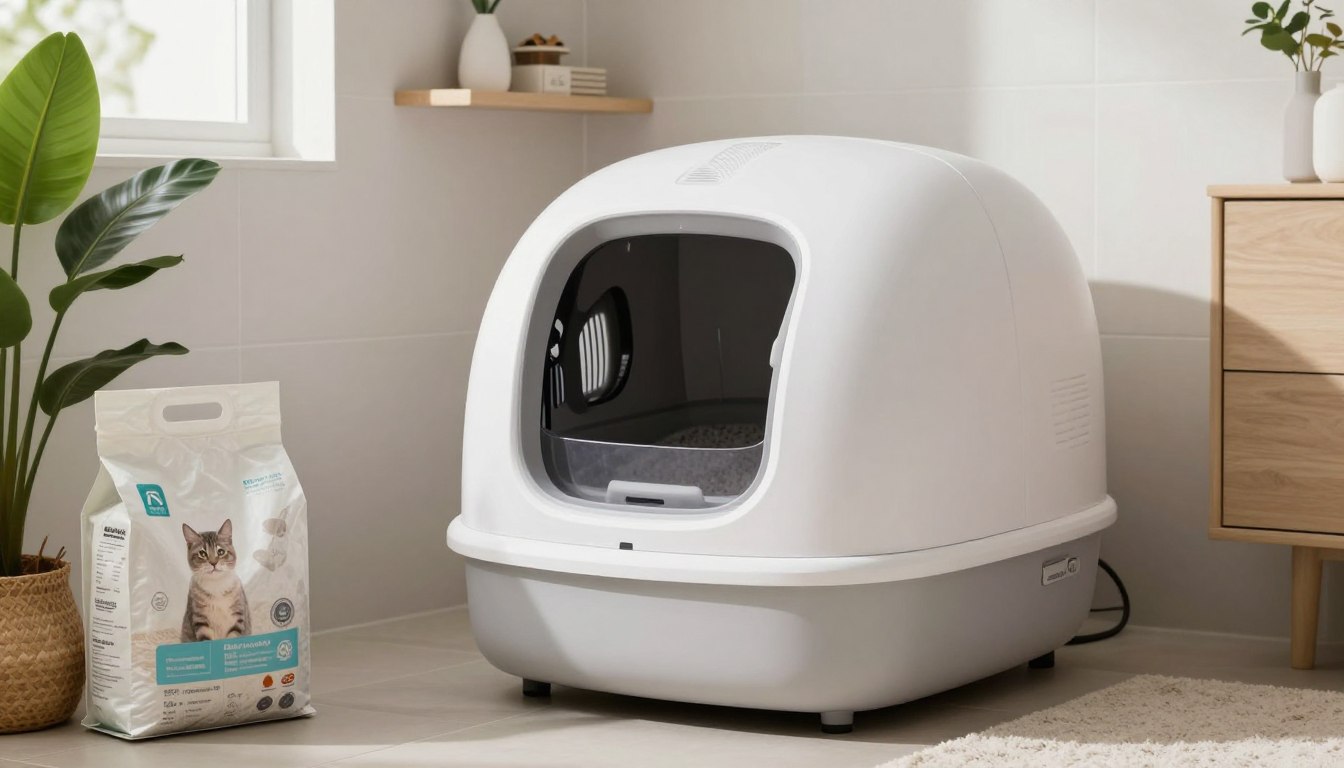
To ensure your automatic litter box functions reliably, place it on a flat, level surface. Avoid placing the unit on thick carpets or uneven flooring, as this can interfere with the weight sensors that trigger the cleaning cycle.
You should also ensure the unit is near a standard electrical outlet. Proper ventilation is equally important to maintain effective odor control and keep the area fresh. Avoid tucking the machine into a tight, enclosed closet where air cannot circulate freely.
Introducing the machine without making a cat avoid the litter box
Cats are creatures of habit and may be wary of a new, moving object in their territory. To help them adjust, keep their old, familiar litter box nearby for at least a week while the new unit is powered off.
Once your cat begins to investigate the new machine, you can slowly transition them by moving the old box closer to the new one. Patience is key during this phase to prevent any behavioral issues or accidents outside the box.
Cleaning the globe, rake, sensors, and waste compartment
Consistent litter box maintenance is the secret to a long-lasting machine. Even with automated features, you must perform routine tasks to keep the system running smoothly:
- Wipe down the interior globe and rake with a pet-safe cleaner to remove dust.
- Regularly clean the sensors with a dry cloth to ensure the unit detects your cat accurately.
- Empty the waste compartment frequently to prevent odors from building up.
- Check the waste drawer liner to ensure it is seated correctly.
Maintaining litter depth and preventing clogs
Using the correct type of clumping litter is vital for the machine to sift waste effectively. Always follow the manufacturer’s guidelines regarding the fill line, as overfilling can cause mechanical strain or clogs.
If you notice the rake struggling or litter scattering, check for debris buildup around the moving parts. Keeping the litter depth consistent ensures the best performance and helps maintain excellent odor control throughout the week.
Safety and Cat Acceptance Considerations
When you bring home an automatic cat litter box, prioritizing safety features is essential for your pet’s well-being. Modern units are engineered with multiple layers of protection to ensure that your feline friend remains unharmed during the cleaning process. Understanding these systems helps you feel confident about your purchase.
Weight sensors, motion detection, and delayed cleaning cycles
Most high-end devices utilize sophisticated weight sensors to detect when a cat enters the unit. Once the cat exits, the machine triggers a countdown for a delayed cleaning cycle. This delay ensures the cat is safely away from the device before any mechanical movement begins.
Motion detection serves as a secondary safety net. If the sensors detect movement near the entrance while the unit is in motion, the cycle will immediately pause. This automatic litter box safety feature prevents the machine from operating while your pet is curious or nearby.
Why kittens and very small cats may require extra supervision
It is important to note that kittens or very small cats may not weigh enough to trigger the sensors reliably. If your cat weighs less than the manufacturer’s minimum requirement, the device might not register their presence at all. Always check the weight guidelines provided by the manufacturer before allowing a small kitten to use the unit unsupervised.
Preventing paw, tail, and pinch-point hazards
Manufacturers design these units with enclosed mechanisms to minimize the risk of injury. By housing the rake or rotating globe components behind protective barriers, the risk of paw or tail entrapment is significantly reduced. You should still inspect your unit periodically to ensure no debris is interfering with these safety guards.
Recognizing stress, avoidance, or changes in litter box behavior
Monitoring your pet’s cat behavior is the best way to ensure they are comfortable with the new technology. If you notice your cat avoiding the box, vocalizing, or having accidents outside the unit, they may be feeling stressed or fearful. These signs often indicate that the transition to an automatic cat litter box needs to be slowed down.
Sudden changes in cat behavior can also be a signal of underlying health issues rather than just a dislike for the machine. If your cat continues to show signs of distress, it is wise to consult your veterinarian. Maintaining a positive environment is vital for long-term automatic litter box safety and your cat’s overall happiness.
Common Problems With Automatic Litter Boxes
While these devices are designed for ease, understanding how to resolve common operational glitches is essential for every owner. A self-cleaning cat litter box is a significant upgrade for your home, but occasional troubleshooting ensures your pet stays happy and your floors stay clean. Proper litter box maintenance is the secret to long-term success with these automated systems.
What to do when the unit does not start a cleaning cycle
If your device fails to initiate a cycle, first check the power connection and ensure the unit is on a level surface. Many models use weight sensors that require the box to be stable to detect your cat accurately. If the sensor is obstructed by debris or the unit is pushed against a wall, the safety mechanism may prevent it from moving.
Always verify that the waste drawer is pushed in completely. If the unit still refuses to cycle, try a manual reset by unplugging the device for a few minutes. This simple step often clears minor software glitches and restores normal operation.
How to address odor, tracking, and scattered litter
Effective odor control often depends on using the right type of clumping litter recommended by the manufacturer. If you notice persistent smells, check the waste compartment seal to ensure it is tight and clean. Regularly wiping down the interior globe prevents waste from sticking to the sides, which is a common cause of lingering scents.
To manage tracking and scattered litter, place a high-quality mat directly in front of the entrance. If your cat tends to kick litter out, consider a unit with higher walls or an enclosed hood. Consistent litter box maintenance, such as topping off the litter to the correct fill line, also helps the rake or sifter function more efficiently.
Handling app disconnections, sensor errors, and full waste drawers
Smart features add convenience, but app disconnections can be frustrating. If your phone loses contact with the unit, ensure your Wi-Fi signal is strong near the box and check for available app updates. Sometimes, simply toggling your router or re-pairing the device through the app settings resolves the issue.
Sensor errors frequently occur when dust or hair accumulates on the lenses. Use a dry, soft cloth to gently wipe these areas to maintain accurate tracking. Finally, if the unit reports a full waste drawer prematurely, empty the bin and ensure the sensor area is clear of any hanging debris that might trigger a false alert. Prioritizing these small tasks will keep your self-cleaning cat litter box running smoothly for years.
What to Check Before Choosing a Self-Cleaning Litter Box
A successful transition to an automated system starts with a thorough assessment of your home and your cat’s personality. Before you finalize your purchase, it is vital to consider how these self-cleaning litter boxes will integrate into your daily life. Taking the time to verify these details ensures that both you and your pet remain happy with the upgrade.
Measuring the available floor space and entry clearance
Many owners make the mistake of only looking at the exterior footprint of a unit. You must also account for the clearance needed for the entry point and the space required for the waste drawer to slide out. A large cat litter box often requires a significant amount of room to ensure your cat can enter and exit comfortably without feeling cramped.
Confirming cat weight limits and interior dimensions
Always check the manufacturer’s weight guidelines to ensure the motor and sensors function correctly. If you have a multi-cat litter box setup, the interior dimensions are even more critical. Your cat needs enough room to turn around fully, as restricted space can lead to unwanted cat behavior issues like avoidance.
“The best technology in the world cannot replace a cat’s need for a comfortable, private, and spacious environment to do their business.”
Checking warranty coverage, returns, and customer support
Reliability is a major factor when investing in complex electronics. Look for brands that offer robust warranty coverage and accessible customer support. Before buying, confirm the return policy in case your cat refuses to use the new device despite your best efforts.
Matching cleaning technology to your cat’s litter preferences
Your cat’s existing habits are the strongest indicator of success. Consider these points when choosing your system:
- Clumping litter: Best for cats who prefer the texture of traditional clay or natural clumping substrates.
- Crystal litter: Ideal for systems that rely on dehydration and moisture absorption.
- Safety: Always prioritize automatic litter box safety by choosing models with reliable motion sensors and pinch-point protection.
By aligning the machine’s technology with your cat’s established preferences, you minimize the risk of stress. A thoughtful approach to these specifications will help you select a unit that provides years of reliable service.
Choosing the Right Automatic Litter Box for Your Home
Making the right choice among the best automatic litter boxes involves weighing long-term costs against daily convenience. It is easy to get distracted by flashy technology, but the most important factor is how well the unit fits into your unique lifestyle and home environment.
Balancing convenience, reliability, price, and maintenance
When evaluating your options, consider the total litter box costs beyond the initial purchase price. While premium models offer advanced sensors and app connectivity, they often require specific branded waste bags or filters that add to your monthly expenses.
Reliability is just as vital as the price tag. You want a machine that handles litter box maintenance with minimal intervention, allowing you to enjoy a cleaner home without constant troubleshooting. Look for models that have a proven track record of consistent performance in busy households.
Prioritizing the features that matter most for your cats
The best self-cleaning litter box for your home is one that your cat actually feels comfortable using. If you have a large cat, prioritize interior space and an open entrance to prevent anxiety or accidents. For multi-cat homes, focus on units with rapid cycle times and high-capacity waste drawers.
Consider these essential features when making your final selection:
- Quiet operation: Important for units placed in bedrooms or living areas.
- Odor control: Look for sealed waste compartments and effective carbon filters.
- Entry style: Ensure the height and shape suit your cat’s mobility level.
- Smart monitoring: Useful for tracking health changes in multi-cat households.
Using the comparison to narrow the list to one suitable model
To finalize your decision, use our automatic litter box comparison to filter out models that do not meet your primary requirements. Instead of choosing based on brand popularity, look at the specific dimensions and cleaning methods that align with your available floor space.
An automatic litter box should solve problems, not create new ones. By focusing on the features that address your specific pain points—whether that is odor, tracking, or daily scooping—you can confidently select the one model that provides the best value for your home.
Conclusion
Upgrading to an automated system changes how you manage pet care at home. The best automatic litter boxes offer a path to cleaner floors and fresher air by removing the need for daily manual scooping.
Success with these machines relies on your commitment to proper setup and routine maintenance. You must monitor waste levels, keep sensors clear, and ensure your cat feels safe using the device. Selecting the right unit requires balancing your specific budget, available floor space, and the unique personality of your feline companion.
Take a moment to review the comparison charts and buyer checklist provided earlier. These tools help you weigh the benefits of premium smart features against your household needs. By matching your choice to your cat’s size and litter preferences, you ensure a smooth transition for everyone involved.
The best automatic litter boxes represent a significant investment in your daily convenience. Take control of your home environment today by picking a model that supports both your lifestyle and your cat’s well-being. Your journey toward a hassle-free litter routine starts with making an informed decision based on the features that matter most to you.
FAQ
How exactly do these automatic machines know when to start cleaning?
Most modern units, such as the Whisker Litter-Robot 4 and the PETKIT Pura Max 2, utilize advanced weight sensors and infrared motion detection. These sensors recognize when your cat enters and exits the globe. After a customizable delay—which allows the clumping clay litter to firm up—the machine begins its cycle to separate waste from clean litter.
Can I use any type of litter in a self-cleaning box?
It depends entirely on the mechanism of the model you choose. Rotating drum models like the Neakasa M1 or PetSnowy SNOW+ generally require high-quality clumping clay litter to function correctly. In contrast, the PetSafe ScoopFree Crystal Pro is specifically designed to work with silica gel crystal litter, which absorbs liquids and dries out solids.
Are these boxes safe for small kittens?
Safety is a top priority for brands like CATLINK and Popur, but most manufacturers recommend that kittens weigh at least 3 to 5 pounds before using the “auto” mode. This ensures the weight sensors accurately detect their presence. For very small kittens, it is best to leave the unit unplugged and scoop manually until they are large enough to trigger the safety features.
Which automatic litter box is best for a multi-cat household?
The Whisker Litter-Robot 4 is a standout choice for multi-cat households due to its rapid cycle time and WiFi connectivity. Its integrated SmartScale technology can even distinguish between different cats by their weight, allowing you to perform health monitoring via the Whisker app for each individual pet.
How often will I need to empty the waste drawer?
While you no longer have to scoop daily, you will still need to empty the waste drawer. For a single-cat home, a high-capacity unit like the Casa Leo Leo’s Loo Too or the Popur X5 typically needs to be emptied once every week to ten days. In homes with multiple cats, you may find yourself changing the liner every 2 to 3 days.
Do automatic litter boxes really eliminate odors?
They significantly reduce them by moving waste into a sealed compartment shortly after use. Many premium models, such as the PetSnowy SNOW+, go a step further by using activated carbon filters and TiO2 deodorizing systems to neutralize smells before they can spread through your small apartment.
What happens if the litter sticks to the bottom of the globe?
Sticking is a common issue that can usually be solved by using a high-quality clumping litter and ensuring the litter depth is maintained at the “fill line.” Some models, like the PETKIT Pura Max 2, feature specialized non-stick silicone liners designed to prevent “clinging” and make deep cleaning much easier.
Are these machines loud enough to scare my cat?
Modern self-cleaning boxes are designed with quiet motors to minimize household disruption. While older models had a noticeable mechanical grind, newer versions like the Neakasa M1 operate at a very low decibel level, making them suitable for odor-sensitive rooms or bedrooms where a loud noise might startle a skittish cat.
Is the initial investment worth the high purchase price?
For many owners, the convenience and time saved are well worth the upfront cost. When calculating the total cost of ownership, consider the savings on litter usage—since these machines are much more efficient at preserving clean litter than manual scooping—alongside the cost of replacement filters and specialized waste bags.
How do I help my cat transition to an automatic box?
Patience is key! We recommend placing the new PetSafe ScoopFree SmartSpin next to the old box and leaving it turned off for a few days. Once your cat is comfortably using the new unit, you can remove the old box and activate the cleaning cycle. Using a litter tracking mat at the entrance can also help make the new setup feel more like their familiar routine.

catvira
Related Product Recommendations

Automatic Cat Feeder
A programmable feeder that dispenses set portions on a schedule, helpful for owners who are away during normal mealtimes.
- Programmable feeding schedule
- Portion control settings
- Large food capacity hopper
- + Helps maintain a consistent feeding routine
- + Useful for owners with irregular schedules
- − Requires initial setup and occasional cleaning
- − Battery or power backup recommended
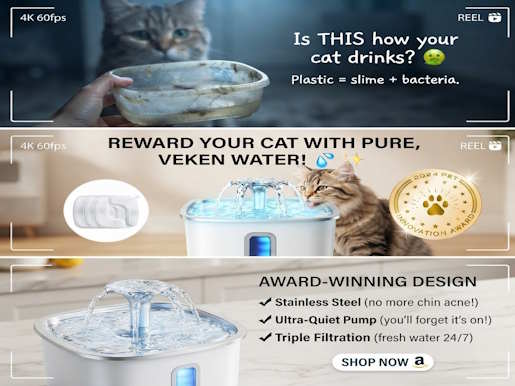
Stainless Steel Cat Water Fountain
A circulating water fountain designed to encourage cats to drink more, using flowing water rather than a static bowl.
- Continuous water circulation
- Stainless steel construction
- Replaceable filters
- + May encourage cats to drink more water
- + Easier to keep clean than some plastic fountains
- − Requires regular filter changes
- − Needs access to a power outlet
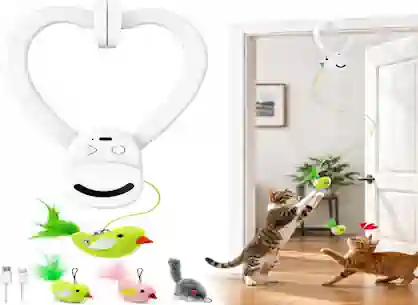
Interactive Cat Toy
A motion-based toy intended to encourage natural play behaviors like stalking, chasing, and pouncing for indoor cats.
- Automatic or motion-activated movement
- Multiple play modes
- Rechargeable or battery powered
- + Supports physical activity and mental stimulation
- + Can be used during work hours when supervision is limited
- − Some cats lose interest over time
- − Not a full substitute for interactive play with an owner
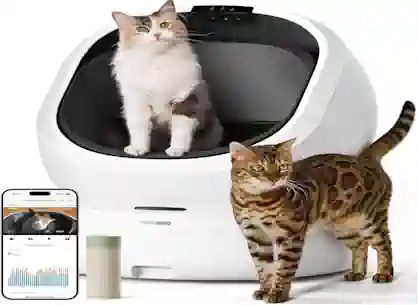
Self-Cleaning Litter Box
An automated litter box that rakes or sifts waste on a schedule or after use, reducing daily manual scooping.
- Automatic waste removal cycle
- Odor-control waste compartment
- Safety sensors
- + Reduces daily scooping workload
- + Can help manage odor between full cleanings
- − Higher upfront cost than a standard litter box
- − Still requires periodic manual cleaning and maintenance
Related Articles

Cat Insurance Guide : How to Choose the Best Plan & Save Money on Vet Bills
Owning a feline companion brings immense joy, but it also comes with the responsibility of managing…
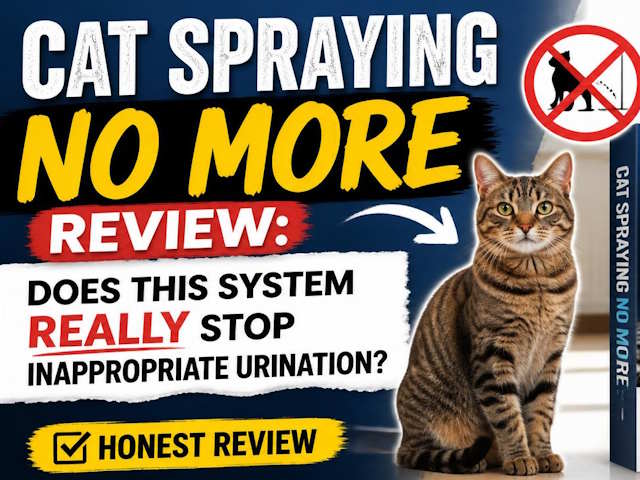
Cat Spraying No More Review: Does This System Really Stop Inappropriate Urination?
Dealing with inappropriate urination in cats can be one of the most frustrating challenges for any…

The Complete Guide to Cat Care: How to Keep Your Cat Healthy, Happy, and Comfortable
A practical, complete cat care guide covering feeding, litter, grooming, dental care, enrichment, and a simple…