
Table of Contents
- What Cat Spraying No More Claims to Do
- Cat Spraying No More Review: Product Overview and Core Approach
- How the System Explains the Causes of Inappropriate Urination
- Key Features and Materials Included in the Program
- How to Use Cat Spraying No More in a Real Household
- Potential Benefits for Cat Owners
- Limitations, Drawbacks, and Important Caveats
- Safety Checks Before Treating Urination as a Behavior Problem
- Does the System Actually Stop Spraying?
- Who Cat Spraying No More May Be Best For
- Pros, Cons, and Practical Buying Considerations
- Conclusion
- FAQ
Dealing with inappropriate urination in cats can be one of the most frustrating challenges for any pet owner. It creates a stressful environment and often leaves homeowners searching for immediate, effective solutions to restore harmony in their living space.

Many people confuse standard litter box accidents with territorial marking. While accidents usually happen on flat surfaces, marking often involves small amounts of liquid deposited on vertical walls or furniture. Understanding this distinction is essential for choosing the right approach to fix the behavior.
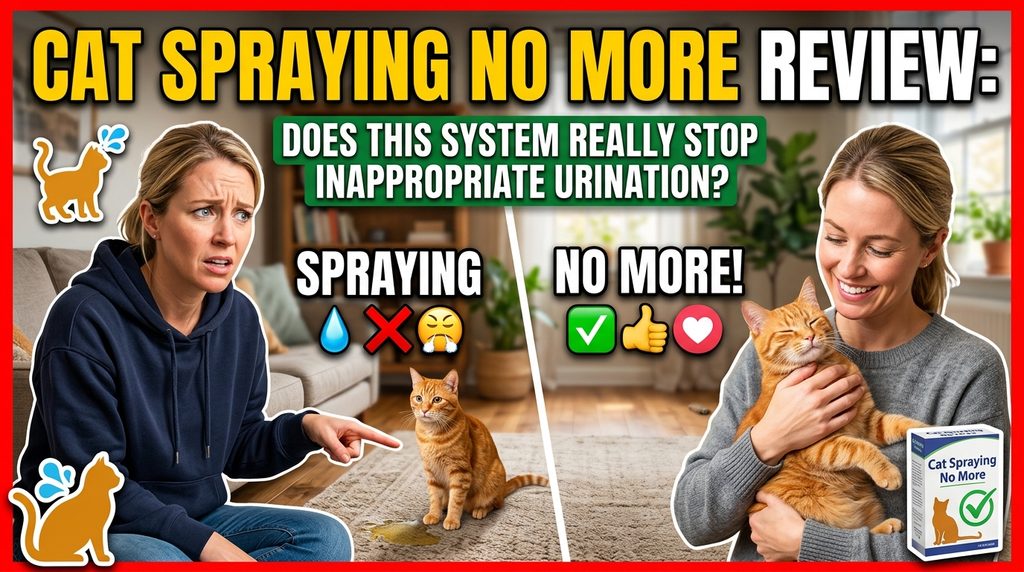
This Cat Spraying No More Review examines a popular program designed to address these specific behavioral issues. While the system offers helpful guidance, it is important to remember that sudden changes in bathroom habits may signal underlying health problems. Always consult your veterinarian to rule out medical concerns before relying solely on behavioral training methods.
Key Takeaways
- Distinguish between medical issues and behavioral marking.
- Understand the difference between accidents and territorial spraying.
- Prioritize a veterinary visit to rule out urinary tract infections.
- Learn how environmental stressors trigger unwanted habits.
- Evaluate if behavioral programs provide a viable long-term solution.
What Cat Spraying No More Claims to Do
Understanding why cats spray is the first step toward reclaiming a clean and peaceful living environment. Many pet owners feel overwhelmed when their feline companions begin to exhibit this disruptive behavior, often leading to significant stress within the household.
The problem the system is designed to address
This program focuses on behavioral triggers that lead to unwanted accidents. It is specifically built to help owners stop cat spraying by identifying the root causes of territorial anxiety and environmental stress.
When a cat feels insecure, they may attempt to assert control over their surroundings. By addressing these underlying emotional triggers, the system aims to restore harmony between the pet and the owner.
How spraying differs from ordinary inappropriate urination
It is vital to distinguish between standard accidents and true cat urine marking. While a cat might urinate on a rug due to a dirty litter box, spraying is a distinct behavior.
“Behavior is a language, and when our pets act out, they are often telling us that something in their world feels unsafe or out of balance.”
Spraying typically involves a cat backing up toward a vertical surface, such as a wall or furniture, and depositing a small amount of urine. This is a territorial signal rather than a simple failure to use the litter box.
The main promise for cat owners
The Cat Spraying No More system presents itself as a comprehensive, step-by-step home strategy. It provides actionable advice designed to modify the environment and the cat’s daily routine.
It is important to note that this cat spraying solution is not a guaranteed medical cure. Instead, it serves as a structured guide for owners who are ready to commit to consistent behavioral changes to improve their home life.
Cat Spraying No More Review: Product Overview and Core Approach
If you are considering the Cat Spraying No More program, it is helpful to look at how it approaches feline behavior. Many owners struggle with unwanted marking, and this system aims to provide a structured path toward a cleaner home environment.
What the system includes
Overview of the training and behavior guidance
The core of this program focuses on cat behavior training techniques designed to address the root causes of spraying. It typically provides step-by-step instructions that help owners identify why their pets are acting out. By following these guides, you can learn to interpret your cat’s signals more effectively.
Features that may support a household behavior plan
A successful plan requires more than just a few tips; it needs a comprehensive strategy. The materials often include suggestions for modifying your home layout to reduce stress. These features are intended to help you create a calm space where your cat feels secure and less inclined to mark territory.
How the program presents its method
The Cat Spraying No More Review process reveals that the program emphasizes consistency and patience. It encourages owners to look at the environment from the cat’s perspective. Rather than relying on punishment, the method focuses on positive reinforcement and environmental adjustments to encourage better habits.
What buyers should verify before purchasing
Before you commit to any digital guide, it is wise to verify what is included in the package. Ensure the content covers your specific needs, such as multi-cat dynamics or specific stress triggers. You should also check for any guarantees or support options that might be available to you.
| Feature Category | Primary Focus | Expected Outcome |
|---|---|---|
| Behavioral Analysis | Identifying triggers | Reduced anxiety |
| Environmental Setup | Litter box placement | Improved hygiene |
| Routine Building | Consistent habits | Long-term success |
| Cleaning Protocols | Removing odors | Prevention of re-marking |
Ultimately, the effectiveness of any cat behavior training depends on your willingness to implement these changes. By staying consistent, you provide your pet with the stability they need to stop inappropriate urination for good.
How the System Explains the Causes of Inappropriate Urination
Understanding why your cat suddenly stops using the litter box is the first step toward a cleaner home. Many owners feel frustrated when they find accidents, but these actions are rarely done out of spite. Instead, they are often a clear signal that something in the cat’s world has shifted.
Territorial marking and household stress
Territorial marking is a natural instinct for many felines. When a cat feels its space is threatened, it may spray to claim its territory. This behavior is frequently linked to stress-related spraying, which occurs when the animal feels insecure or anxious about its surroundings.
Litter box preferences and environmental triggers
Sometimes, the issue is much simpler than a behavioral crisis. Litter box problems often stem from a dislike of the box location, the type of litter used, or even the cleanliness of the tray. If the environment feels unsafe or uncomfortable, your cat will likely seek a different spot to relieve itself.
Changes involving other pets, people, or surroundings
Cats are creatures of habit who thrive on routine. Major changes, such as moving furniture, bringing home a new pet, or having unfamiliar guests, can trigger why cats spray in specific areas. These disruptions often lead to anxiety, causing the cat to mark areas to regain a sense of control.
Why identifying the underlying trigger matters
Simply cleaning the mess is not enough to stop the cycle. If you do not address the root cause, the behavior will likely continue. You must identify the specific stressor to create a lasting solution for your pet.
| Trigger Type | Common Example | Typical Cat Reaction |
|---|---|---|
| Territorial | New neighborhood cat | Spraying near windows |
| Environmental | Dirty litter box | Avoiding the box entirely |
| Social | New family member | Marking furniture or rugs |
| Physical | Loud construction noise | Hiding and accidents |
Key Features and Materials Included in the Program
Finding a reliable cat spraying solution often feels overwhelming for busy pet owners. This program aims to simplify the process by providing a structured set of resources designed to address the root causes of unwanted behavior.
Behavior-training instructions and suggested routines
The core of the system focuses on cat behavior training through consistent daily habits. By establishing a predictable routine, you help your pet feel more secure in their surroundings. These instructions guide you through positive reinforcement techniques that encourage better habits without the need for harsh discipline.
Guidance for improving the litter box environment
Many litter box problems stem from simple environmental factors that owners often overlook. The program provides a checklist to evaluate your current setup, including box location, accessibility, and the type of litter used. Small adjustments to these variables can often make a significant difference in your cat’s willingness to use the box.
Strategies for reducing territorial tension
If you are wondering how to stop a cat from spraying, you must first address the underlying stress. The materials offer specific strategies to minimize competition between pets and reduce environmental triggers. These methods help create a more harmonious household where your cat feels less need to mark their territory.
Advice for cleaning and managing marked areas
Proper cleanup is vital to prevent repeat incidents in the same spots. The guide emphasizes the importance of using an enzyme-based cleaner to effectively clean cat urine and eliminate lingering pheromone cues. Removing these invisible scent markers is a critical step in breaking the cycle of marking behavior.
How easy the materials may be to follow at home
The program is designed to be user-friendly, even for those without prior experience in animal psychology. Most owners find the step-by-step instructions easy to implement into their daily schedule. By following the provided roadmap, you can systematically address your cat’s needs and work toward a cleaner, stress-free home environment.
How to Use Cat Spraying No More in a Real Household
Successfully managing your cat’s habits starts with careful observation and consistent daily routines. By applying cat behavior training techniques, you can transform your living space into a stress-free zone for your pet. This process requires patience and a keen eye for detail.
Assessing the cat’s current urination pattern
Before you begin, take time to document exactly what is happening. Note the specific location of the accidents, the time of day, and the posture your cat uses. Understanding whether the cat is squatting or spraying vertically helps identify the root cause.
Applying the recommended behavior changes consistently
Consistency is the backbone of any successful plan. If you change your rules or cleaning schedule too often, your cat may become confused. Stick to the program’s guidelines to ensure your pet understands the new expectations.
Adjusting the home environment around the cat’s needs
Many litter box problems stem from environmental stressors rather than behavioral defiance. You might need to move a box to a quieter area or provide more privacy. Small adjustments often lead to significant improvements in your cat’s comfort level.
Tracking accidents, triggers, and improvements
Keep a simple log to monitor progress over time. Recording every incident helps you spot patterns, such as accidents occurring after a visitor arrives or when a new pet is nearby. This data is vital to learn how to stop a cat from spraying effectively.
What to do when progress appears inconsistent
It is normal to see ups and downs during the training process. If you struggle to clean cat urine effectively, the lingering scent might be triggering repeat behavior. Stay the course, but do not hesitate to re-evaluate your environment if you hit a plateau.
| Observation Step | Action Required | Goal |
|---|---|---|
| Identify Triggers | Log time and location | Find the root cause |
| Clean Surfaces | Use enzymatic cleaners | Remove scent markers |
| Adjust Environment | Modify litter access | Reduce feline stress |
| Monitor Progress | Update daily logs | Ensure lasting change |
Potential Benefits for Cat Owners
Many pet owners find that replacing guesswork with a structured plan transforms their daily routine. Instead of reacting to accidents as they happen, you gain a clear roadmap for success. This shift allows you to focus on proactive solutions rather than constant cleanup.
Pros of having a structured behavior plan
A formal program provides a framework for making repeatable observations. By tracking your cat’s habits, you can identify specific triggers that lead to unwanted behavior. This organized approach helps you feel more in control of your home environment.

How the approach may improve owner consistency
Consistency is the secret to changing any animal’s habits. When you follow a set schedule, your cat learns what to expect, which naturally lowers their anxiety. You will likely find that your own responses become calmer and more effective over time.
Possible benefits for multi-cat households
In a multi-cat household, competition for resources often creates hidden tension. A structured plan helps you separate food, water, and litter stations to reduce stress. By managing these environmental factors, you can significantly decrease the likelihood of territorial marking occurring in shared spaces.
Why prevention and routine may be more sustainable than punishment
Effective cat spraying prevention relies on understanding the root cause of the behavior. Punishment often backfires by increasing fear, which only makes the cat more likely to act out. By prioritizing routine and environmental adjustments, you create a sustainable path toward a happier, cleaner home for everyone.
Limitations, Drawbacks, and Important Caveats
Before you dive into a new training routine, you should be aware of the potential drawbacks of relying solely on a general program. While these resources provide a structured path, they cannot account for every unique scenario in your home.
Cons of relying on a general program
A standardized cat spraying treatment often follows a “one-size-fits-all” approach. This can be problematic because it fails to address the specific nuances of your living situation or your pet’s unique history. Relying on a general guide might lead to frustration if the suggested steps do not align with your cat’s specific triggers.
Why results may vary between individual cats
Every cat possesses a distinct personality, age, and temperament. What works for a young, playful kitten may be completely ineffective for an older, anxious cat. Because of these differences, you should manage your expectations regarding how quickly or effectively a program will work for your specific companion.
The time and consistency required from owners
Success with any behavioral modification plan depends heavily on your dedication. You must be prepared to invest significant time into monitoring your cat and adjusting the environment. Consistency is the most critical factor in seeing long-term results, and even minor lapses can stall progress.
Situations the system may not fully address
Some behavioral issues are deeply rooted in complex environmental conflicts or past trauma. A home-based program might not provide the depth needed to resolve severe territorial disputes or deep-seated anxiety. In these instances, you may need to consult a professional cat behaviorist to gain a deeper understanding of your pet’s needs.
“The best way to help a cat is to look at the whole picture, including their health, their environment, and their emotional state.”
— Anonymous Veterinary Expert
Why behavior advice should not replace veterinary care
It is vital to remember that behavioral advice is not a substitute for medical intervention. If your cat is suddenly urinating outside the box, you must consult a veterinarian for cat urination problems to rule out underlying health issues like infections or bladder stones. Seeking a veterinarian for cat urination problems ensures that you are not ignoring a painful medical condition that requires urgent treatment. If the behavior persists despite your best efforts, reaching out to a cat behaviorist or your local clinic is the safest path forward.
Safety Checks Before Treating Urination as a Behavior Problem
Your cat’s sudden change in bathroom habits might be a cry for help rather than a behavioral issue. While many owners look for reasons why cats spray, it is critical to remember that physical illness often mimics behavioral problems. Before you attempt to correct inappropriate urination in cats, you must ensure your pet is not suffering from a painful condition.
Medical conditions that can cause accidents
Several internal health issues can force a cat to urinate outside the box. Conditions such as urinary tract infections, bladder stones, kidney disease, and diabetes can cause sudden accidents. When a cat feels pain or urgency, they may associate the litter box with that discomfort, leading them to avoid it entirely.
Consulting a veterinarian for cat urination problems is the most responsible first step. A professional can perform a urinalysis or ultrasound to rule out these hidden medical triggers. Treating the underlying illness is often the only way to resolve the issue permanently.
Warning signs that require prompt veterinary attention
You should monitor your cat closely for specific physical cues. If you notice any of the following, do not wait to see if the behavior improves on its own.
Straining, frequent attempts, or little urine output
If your cat visits the litter box repeatedly but produces only a few drops of urine, this is a major red flag. Straining is a clear sign of physical distress that requires immediate medical intervention.
Blood, pain, lethargy, or sudden behavioral changes
- Visible blood in the urine or on the litter.
- Obvious signs of pain, such as vocalizing while in the box.
- Unusual lethargy or a sudden loss of appetite.
- Drastic shifts in personality or hiding behaviors.
Why male cats may face urgent urinary risks
A male cat urinary blockage is a life-threatening emergency that can develop in just a few hours. Because male cats have a narrower urethra, they are highly susceptible to crystals or mucus plugs that stop urine flow entirely. Recognizing cat urinary blockage symptoms early can literally save your pet’s life.
If the bladder cannot empty, toxins build up in the bloodstream rapidly. This condition is extremely painful and can lead to kidney failure or heart issues if left untreated. Never delay professional care if you suspect your male cat is struggling to pass urine.
How a veterinarian can support a behavior plan
Once a medical professional clears your cat of physical illness, they can become a valuable partner in your training journey. A vet can help you distinguish between a true medical emergency and a behavioral habit. They may also provide guidance on pain management or stress-reducing supplements that make your home training efforts much more effective.
Does the System Actually Stop Spraying?
When you search for a Cat Spraying No More review, you likely want to know if the system actually works. It is important to approach these programs with a balanced perspective. While many owners find success, results often depend on your dedication to the process.
What would count as meaningful improvement
Meaningful improvement is not always about an overnight fix. Instead, it involves a consistent decrease in the frequency of accidents and a return to reliable litter box habits. You should look for a reduction in cat urine marking across your home as a primary indicator of success.
True progress also includes better management of known triggers. When your cat begins to use the litter box consistently, you have achieved a significant milestone. This shift suggests that the environmental changes you implemented are working effectively.

Short-term reduction versus lasting behavior change
It is vital to distinguish between a temporary fix and a permanent solution. A brief reduction in incidents might occur simply because you changed a cleaning product or moved a piece of furniture. However, lasting change requires addressing the root cause of territorial marking.
If you stop the program too early, the behavior may return. Stress, illness, and inconsistent routines are common reasons for a relapse. Staying committed to the long-term plan is the best way to stop cat spraying for good.
Factors that can influence the outcome
Several variables can impact how quickly your cat responds to new training. Understanding these factors helps you set realistic expectations for your progress.
The cat’s health and age
Older cats or those with underlying medical issues may struggle more with behavioral changes. Always ensure your pet is healthy before assuming the issue is purely behavioral.
The number of cats sharing the home
A multi-cat household often faces more complex social dynamics. Competition for resources can trigger stress, making it harder to manage the environment effectively.
Access to suitable litter boxes and private spaces
Cats need easy access to clean, private litter boxes to feel secure. If your home lacks these, even the best training program will struggle to provide results.
How to evaluate claims without relying on promises alone
You should judge any program by observable data rather than marketing hype. Keep a log of accidents and note any changes in your cat’s environment. This is the most reliable way to learn how to stop a cat from spraying in your specific situation.
Effective cat spraying prevention relies on your ability to track patterns. Use the table below to compare potential outcomes based on your household environment.
| Factor | High Success Probability | Low Success Probability |
|---|---|---|
| Litter Box Access | Multiple, clean, private | Single, dirty, high-traffic |
| Household Stress | Low, calm environment | High, frequent changes |
| Medical Status | Vet-cleared, healthy | Untreated, chronic pain |
| Owner Consistency | Strict, daily routine | Sporadic, inconsistent |
Who Cat Spraying No More May Be Best For
Choosing the best path to stop unwanted urination depends heavily on your specific household dynamics and your cat’s unique needs. While many products exist, Cat Spraying No More is designed for those who prefer a structured, DIY approach to behavior modification. This cat spraying solution works best when owners are ready to take an active role in their pet’s daily life.
Cat owners seeking a step-by-step home strategy
This program is ideal for individuals who thrive on clear, actionable instructions. If you feel lost regarding where to start, a step-by-step guide provides the necessary framework to tackle the issue systematically. It helps remove the guesswork by offering a logical sequence of steps to follow at your own pace.
Households dealing with stress-related marking
Many cats begin marking their territory due to anxiety or changes in their environment. If you suspect your pet is struggling with stress-related spraying, this system offers techniques to identify and mitigate those hidden triggers. It is particularly helpful for owners who want to address the root cause rather than just cleaning up the symptoms.
Owners willing to monitor triggers and make environmental changes
Success with this method requires a high level of commitment from the owner. You must be willing to observe your cat’s habits, track accidents, and adjust the home environment accordingly. Whether you live in a multi-cat household or have a single pet, your consistency in applying these changes is the key to seeing real results.
Who may need customized veterinary or behaviorist support instead
Not every situation can be resolved through a general home program. If your cat shows signs of illness, such as straining or blood in the urine, you must consult a veterinarian for cat urination problems immediately. Furthermore, if the behavior is linked to severe aggression or complex psychological issues, working directly with a certified cat behaviorist is often the safest and most effective route to take.
Pros, Cons, and Practical Buying Considerations
Before you commit to a specific cat spraying treatment, it is wise to weigh the potential benefits against the limitations of the system. Making an informed choice helps ensure you provide the best care for your pet while managing your own expectations.
Pros of considering the system
It may organize several behavior-management techniques
One of the primary advantages is the structure provided by a dedicated program. Instead of searching for scattered tips, you receive a consolidated roadmap that helps you manage your cat’s environment more effectively.
It can encourage observation instead of punishment
The system often shifts the focus toward understanding the “why” behind the behavior. By tracking triggers, you move away from ineffective punishment and toward positive reinforcement and environmental adjustments.
It may be convenient for owners starting at home
For many, the ability to begin immediately without waiting for an appointment is a major plus. It offers a practical starting point for those who want to take action right away.
Cons and concerns to weigh
It may not identify medical causes on its own
A significant limitation is that these programs cannot diagnose health issues. If your cat is suffering from a urinary tract infection, no amount of behavioral training will clean cat urine issues caused by physical pain.
General advice may not fit every cat or household
Every feline is unique, and a one-size-fits-all approach might miss the mark for complex cases. Sometimes, the specific needs of your pet require the nuanced expertise of a professional cat behaviorist.
Success depends on careful, consistent implementation
The effectiveness of any guide relies heavily on your dedication. You must be prepared to follow the steps precisely and maintain the routine over time to see real results.
Questions to consider before spending money
Before you finalize your purchase, take a moment to ask yourself a few critical questions. Does the program offer a clear refund policy if it does not work for your situation? Are there explicit medical disclaimers that encourage you to see a vet first?
Finally, consider if the provided strategies align with your current lifestyle. Consistency is key, so ensure you have the time and energy to dedicate to the process before investing your hard-earned money.
Conclusion
Managing your pet’s behavior requires patience and a clear strategy. This Cat Spraying No More Review highlights that the program serves best as an organized guide for owners who want to understand their pets better. It provides a structured framework for those seeking a reliable cat spraying solution at home.
Effective cat spraying prevention relies on your ability to identify specific triggers in your home. You must focus on improving the environment and maintaining consistent daily routines. These steps often make a significant difference in your pet’s comfort and habits.
Always prioritize a visit to your veterinarian if you notice sudden changes in your pet’s bathroom habits. Medical issues often mimic behavioral problems, so professional advice remains a vital part of any cat spraying treatment. You should never rely on home programs to address underlying health concerns.
Using this system as a supplement to veterinary care helps you stop cat spraying through proactive management. By combining expert medical guidance with consistent home training, you create a happier living space for everyone. Your dedication to these small changes will lead to a more peaceful home environment.
FAQ
What is the primary difference between cat spraying and ordinary inappropriate urination?
The main difference lies in the cat’s posture and the volume of urine. Cat spraying is typically a territorial marking behavior where the cat backs up to a vertical surface, like a wall or sofa, and releases a small amount of urine. In contrast, inappropriate urination usually occurs on horizontal surfaces, like rugs or laundry, and involves a larger volume of urine, often indicating litter box aversion or a medical issue.
Can the Cat Spraying No More system replace a visit to the veterinarian?
No, this system is designed to address behavioral triggers and should not replace professional medical advice. It is vital to rule out urinary tract infections (UTIs), kidney disease, or bladder stones first. If your cat is straining to urinate, showing lethargy, or has blood in their urine, please consult a vet immediately, as these can be signs of a life-threatening urinary blockage, especially in male cats.
Why is identifying the specific “trigger” so important for stopping the behavior?
Identifying the trigger—whether it is a new pet, household stress, or environmental changes—is the only way to stop the cycle. If you only clean the urine without addressing why the cat feels the need to mark, the behavior is likely to continue. Cat Spraying No More focuses on helping owners pinpoint these stressors to create a more stable home environment.
What kind of cleaning products are recommended for managing marked areas?
To effectively stop a cat from returning to the same spot, you must use an enzyme-based cleaner like Nature’s Miracle or Rocco & Roxie Supply Co. These specialized cleaners break down the uric acid crystals that standard detergents leave behind. If a cat can still smell their scent, they will continue to view that area as a target for territorial marking.
Will this system work for a multi-cat household?
Yes, many of the strategies are specifically tailored for multi-cat households where territorial tension is common. The program provides guidance on separating resources, such as food bowls and litter boxes, and using tools like Feliway pheromone diffusers to reduce conflict and help every cat feel secure in their own space.
Why is punishment discouraged when a cat sprays outside the box?
Punishment, such as yelling or physical discipline, often backfires because it increases a cat’s anxiety and fear. Since cat spraying is frequently a response to stress, punishing the cat only adds to their distress, which can actually increase the frequency of the behavior. A structured behavior plan focuses on positive reinforcement and environmental adjustments instead.
How long does it typically take to see improvements in a cat’s behavior?
Results vary depending on the cat’s age, health history, and how long the behavior has been occurring. While some owners see a short-term reduction quickly, achieving lasting behavior change requires consistent application of the training routines. Tracking accidents and triggers over several weeks is the best way to evaluate the program’s effectiveness for your specific situation.
Is the Cat Spraying No More system easy for a beginner to follow?
The system is designed to be a step-by-step home strategy that is accessible for any cat owner. It organizes complex behavior-management techniques into practical routines, making it a convenient starting point for those who want to resolve the issue themselves before hiring a professional feline behaviorist.

catvira
Related Product Recommendations
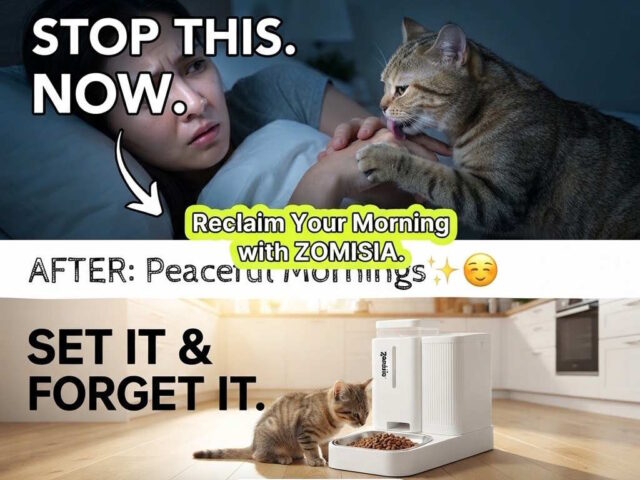
Automatic Cat Feeder
A programmable feeder that dispenses set portions on a schedule, helpful for owners who are away during normal mealtimes.
- Programmable feeding schedule
- Portion control settings
- Large food capacity hopper
- + Helps maintain a consistent feeding routine
- + Useful for owners with irregular schedules
- − Requires initial setup and occasional cleaning
- − Battery or power backup recommended

Stainless Steel Cat Water Fountain
A circulating water fountain designed to encourage cats to drink more, using flowing water rather than a static bowl.
- Continuous water circulation
- Stainless steel construction
- Replaceable filters
- + May encourage cats to drink more water
- + Easier to keep clean than some plastic fountains
- − Requires regular filter changes
- − Needs access to a power outlet

Interactive Cat Toy
A motion-based toy intended to encourage natural play behaviors like stalking, chasing, and pouncing for indoor cats.
- Automatic or motion-activated movement
- Multiple play modes
- Rechargeable or battery powered
- + Supports physical activity and mental stimulation
- + Can be used during work hours when supervision is limited
- − Some cats lose interest over time
- − Not a full substitute for interactive play with an owner

Self-Cleaning Litter Box
An automated litter box that rakes or sifts waste on a schedule or after use, reducing daily manual scooping.
- Automatic waste removal cycle
- Odor-control waste compartment
- Safety sensors
- + Reduces daily scooping workload
- + Can help manage odor between full cleanings
- − Higher upfront cost than a standard litter box
- − Still requires periodic manual cleaning and maintenance
Related Articles

Cat Insurance Guide : How to Choose the Best Plan & Save Money on Vet Bills
Owning a feline companion brings immense joy, but it also comes with the responsibility of managing…
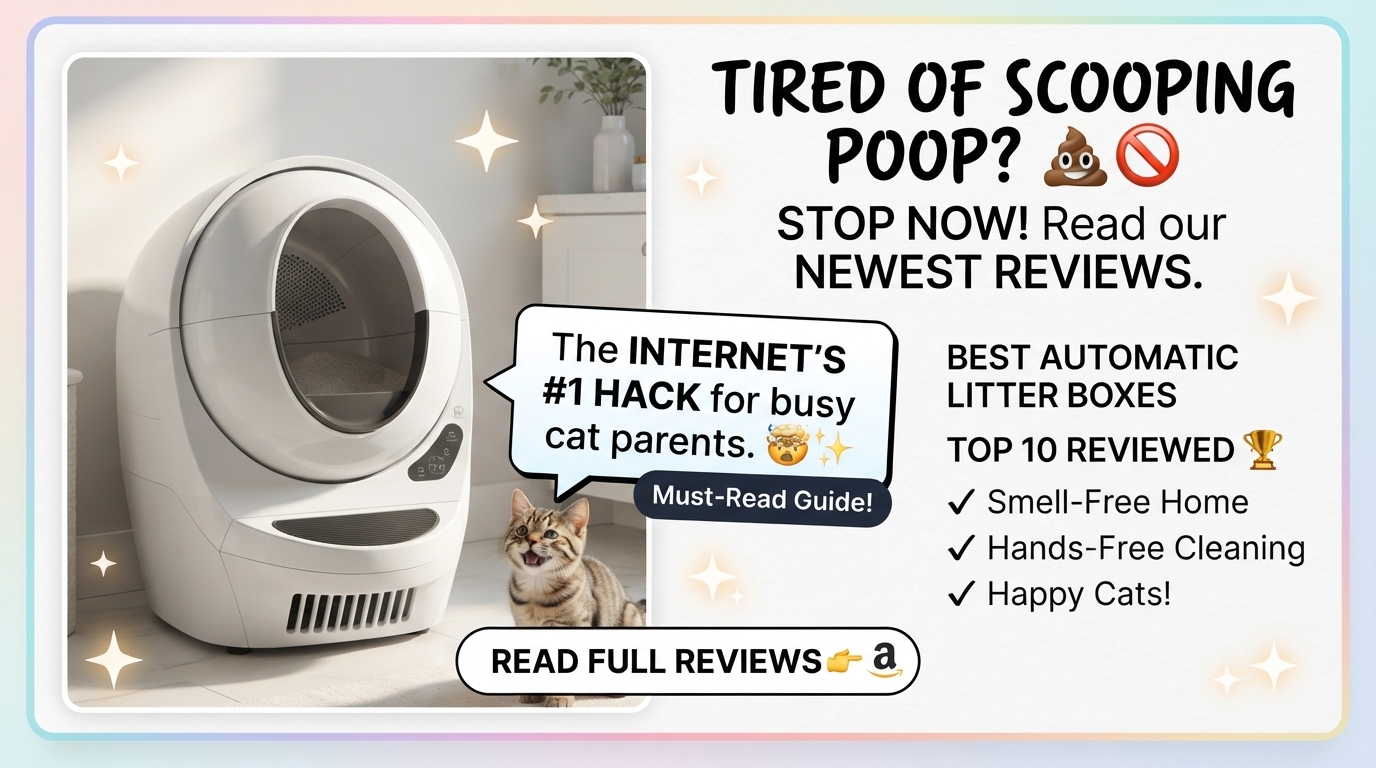
Best Automatic Litter Boxes : Top 10 Self-Cleaning Litter Boxes Reviewed
Tired of the daily chore of scooping? You are not alone. Many pet owners are turning…

The Complete Guide to Cat Care: How to Keep Your Cat Healthy, Happy, and Comfortable
A practical, complete cat care guide covering feeding, litter, grooming, dental care, enrichment, and a simple…