
Table of Contents
- Cat Insurance Guide: What Coverage Actually Does
- Decide Whether Cat Insurance Fits Your Budget
- Compare Cat Insurance Coverage Types and Exclusions
- Understand Premiums, Deductibles, Reimbursement, and Annual Limits
- Evaluate Insurers and Policy Terms Before Enrolling
- Get Accurate Quotes and Save Money on Cat Insurance
- Enroll Strategically and Avoid Claim Surprises
- Use Insurance Alongside Other Ways to Lower Vet Bills
- Conclusion
- FAQ
Owning a feline companion brings immense joy, but it also comes with the responsibility of managing unexpected veterinary bills. When your furry friend faces a sudden health crisis, the last thing you want to worry about is the cost of care. This essential resource helps you navigate the complex world of financial protection for your pet.

Not all policies are created equal, as coverage, exclusions, and reimbursement rules vary significantly. Whether you are looking at accident-only options, comprehensive cat insurance plans, or wellness add-ons, understanding the fine print is vital. Choosing the right pet insurance for cats ensures you can focus on recovery rather than your bank account.
This helpful overview will walk you through the enrollment process and how to file claims effectively. We will also share practical tips to help you save money while providing the best possible care for your beloved pet.
Key Takeaways
- Understand the core differences between accident-only and comprehensive coverage.
- Learn how deductibles and reimbursement rates impact your monthly budget.
- Discover the importance of enrolling your pet while they are still young and healthy.
- Master the steps required to submit claims quickly and accurately.
- Explore proven strategies to reduce long-term medical expenses for your companion.
Cat Insurance Guide: What Coverage Actually Does
Navigating the world of pet health plans can feel overwhelming, but it becomes simple once you understand the core coverage types. Most policies are designed to handle two distinct categories of veterinary needs: unexpected medical issues and routine health maintenance.
How accident and illness coverage works
The primary purpose of cat insurance is to provide a financial safety net when your pet faces an unexpected health crisis. Accident and illness coverage typically kicks in after your cat suffers an injury, such as a broken bone, or receives a diagnosis for a new medical condition like diabetes or kidney disease.
These policies operate on a reimbursement model. You pay the vet bill upfront, submit your claim, and receive a percentage of the costs back based on your specific policy terms.
What wellness plans typically include
While accident plans focus on the unknown, wellness coverage is designed for the predictable aspects of pet ownership. These plans often function as a supplement to your main policy, helping to offset the costs of preventive care for cats.
By budgeting for these routine services, you can ensure your cat stays healthy without facing large, unexpected bills for standard checkups. It is a proactive way to manage your pet’s long-term health needs.
Which veterinary expenses may qualify for reimbursement
Not every visit to the clinic is treated the same by insurance providers. It is vital to review your benefit schedule to understand which services are eligible for payout and which are considered out-of-pocket expenses.
Emergency care, surgery, diagnostics, and prescription medications
When your cat requires emergency vet care, your policy is there to help manage the high costs of life-saving interventions. This includes essential services like emergency surgery, advanced diagnostic imaging such as X-rays or MRIs, and necessary prescription medications.
Routine exams, vaccinations, dental cleanings, and parasite prevention
In contrast, preventive care for cats focuses on keeping your companion healthy before problems arise. This category includes annual wellness exams, core vaccinations, professional dental cleanings, and monthly parasite prevention treatments.
Because these services are predictable, they are usually handled under a separate wellness add-on rather than your primary accident and illness coverage. Always check if your chosen plan covers the specific emergency vet care scenarios you are most concerned about.
Decide Whether Cat Insurance Fits Your Budget
Protecting your feline friend involves weighing the peace of mind that comes with coverage against your monthly budget. Making this choice requires a clear understanding of your cat’s specific needs and your own financial flexibility.
How your cat’s age, breed, and health affect the decision
Younger cats often qualify for lower rates, while older pets may face higher premiums due to an increased risk of chronic conditions. Certain breeds are also prone to specific genetic issues that could lead to frequent veterinary bills later in life.
If your cat has a pre-existing condition, you must consider how that impacts your coverage options. Proactive planning is essential because most policies do not cover health issues that were diagnosed before the policy start date.
Compare monthly premiums with potential veterinary costs
When evaluating the cat insurance cost, look beyond the monthly payment. Consider the total expense of a major surgery or a long-term illness, which can easily reach thousands of dollars.
Insurance acts as a safety net for these unpredictable events. While you might pay premiums for years without a major claim, the financial protection provided during a crisis is often worth the investment for many owners.
When self-funding may be a practical alternative
Some owners prefer to manage their own financial risk by setting aside money regularly. This approach requires discipline and a long-term commitment to maintaining a cat emergency fund.
Building a dedicated emergency pet-care fund
To succeed with self-funding, start by opening a separate high-yield savings account. Aim to contribute a consistent amount every month, treating it as a non-negotiable bill.
Over time, this fund grows to cover routine checkups and minor accidents. Having a dedicated reserve ensures you are not caught off guard when your pet needs urgent care.
Recognizing when unexpected bills could strain your finances
Self-funding works well for minor issues, but it can be difficult if a major emergency occurs before your savings are fully established. A sudden, expensive procedure might exceed your available cash, forcing you to choose between high-interest credit cards or difficult medical decisions.
If you lack the liquid assets to handle a multi-thousand-dollar bill, pet insurance for cats provides a more reliable safety net. Balancing your cat insurance cost against the risk of massive veterinary bills is the best way to ensure your pet receives the care they deserve without compromising your financial stability.
Compare Cat Insurance Coverage Types and Exclusions
Not all pet insurance policies are created equal, so knowing the differences between coverage types is essential for every cat owner. Selecting the right plan involves balancing your budget with the level of protection your pet needs throughout their life.
Accident-only policies for unexpected injuries
If you are looking for a budget-friendly option, accident-only cat insurance covers specific injuries like broken bones, lacerations, or toxic ingestions. These plans do not cover illnesses, which makes them a limited but affordable choice for younger, healthy cats.
Accident-and-illness policies for broader protection
Most owners prefer accident and illness coverage because it provides a comprehensive safety net. This type of policy helps pay for diagnostic tests, surgeries, and medications related to both sudden injuries and chronic health issues like diabetes or kidney disease.
Wellness add-ons for predictable preventive care
Many providers offer optional wellness add-ons to help manage routine costs. These packages typically cover vaccinations, annual exams, and flea or heartworm prevention, which are usually excluded from standard medical policies.
Pre-existing conditions and waiting periods
Understanding waiting periods is vital, as most companies require a set number of days after enrollment before coverage kicks in. During this time, any health issues that arise are generally not eligible for reimbursement.
How insurers define a pre-existing condition
Insurers define a pre-existing condition as any injury or illness that showed clinical signs before your policy started. Even if a vet has not officially diagnosed the issue, the presence of symptoms can lead to a permanent exclusion for that specific condition.
Why symptoms before enrollment can affect future claims
If your cat displays symptoms of an illness before your coverage begins, that condition is often flagged in your medical records. This means that even after your policy is active, the insurer may deny claims related to that specific health problem.
Common exclusions that can limit reimbursement
Every policy comes with specific insurance exclusions that you must review carefully. Knowing what is not covered prevents frustration when you submit a claim for your pet’s care.
Hereditary conditions, dental disease, breeding, and experimental treatment
Standard plans often exclude elective procedures, breeding costs, and experimental treatments. Furthermore, many policies have strict limitations regarding dental disease and hereditary conditions, so always verify if these are covered as standard or require an extra rider.
| Coverage Type | Best For | Typical Scope |
|---|---|---|
| Accident-Only | Budget-conscious owners | Injuries, fractures, toxins |
| Accident & Illness | Comprehensive protection | Illnesses, surgeries, diagnostics |
| Wellness Add-on | Routine care | Vaccines, exams, parasite control |
Understand Premiums, Deductibles, Reimbursement, and Annual Limits
Your total cat insurance cost is determined by several moving parts that you can adjust to fit your specific financial needs. By tweaking these variables, you gain control over both your monthly payments and the amount you might pay during a medical emergency.
Choose between annual and per-condition deductibles
A pet insurance deductible is the amount you must pay out-of-pocket before your provider begins to cover costs. An annual deductible applies once per policy year, regardless of how many different conditions your cat develops.
In contrast, a per-condition deductible requires you to pay a set amount for every new illness or injury. While per-condition plans might seem cheaper initially, they can become expensive if your cat suffers from multiple health issues throughout the year.
Compare reimbursement rates of 70%, 80%, and 90%
The reimbursement rate represents the percentage of the vet bill that the insurance company pays after you meet your deductible. Choosing a 90% rate means the insurer covers the vast majority of the costs, which typically results in a higher monthly premium.
Opting for a 70% or 80% rate can significantly lower your monthly cat insurance cost. However, you must be prepared to cover a larger portion of the bill when your cat requires veterinary care.
Calculate how annual coverage limits affect protection
Your annual coverage limit is the maximum amount the insurance company will pay out in a single policy year. Some plans offer unlimited coverage, which provides the most peace of mind for chronic or catastrophic conditions.
If you choose a plan with a lower limit, such as $5,000 or $10,000, you are responsible for any costs that exceed that amount. Always evaluate your cat’s breed and potential health risks before selecting a cap on your coverage.
Account for exam-fee coverage and prescription benefits
Not all policies automatically cover the cost of the initial office visit or the medications prescribed by your vet. Checking if your plan includes these benefits is vital, as exam fees can add up quickly during frequent visits.
Ensure your policy explicitly covers prescription drugs if your cat has a condition requiring long-term medication. These small details often make a massive difference in your total out-of-pocket expenses.
How a sample $2,000 veterinary bill could be reimbursed
Imagine you face a $2,000 bill and have a $200 pet insurance deductible. After subtracting the deductible, you have $1,800 in eligible expenses remaining for the insurer to process.
| Reimbursement Rate | Insurer Pays | You Pay |
|---|---|---|
| 70% | $1,260 | $740 |
| 80% | $1,440 | $560 |
| 90% | $1,620 | $380 |
Why a lower premium can create higher out-of-pocket costs
It is tempting to select the lowest monthly premium to save money immediately. However, a lower premium often comes with a higher pet insurance deductible or a lower reimbursement rate.
If an emergency occurs, you might find yourself paying much more than you saved in monthly premiums. Always balance your monthly budget against the potential risk of a high annual coverage limit being reached too quickly.
Evaluate Insurers and Policy Terms Before Enrolling
Choosing the right pet insurance provider requires more than just looking at the monthly price tag. You need to look under the hood of the company to ensure they will be there when you need them most. Taking these steps now can prevent significant stress during a future medical emergency.
Check financial stability, licensing, and customer support
Start by verifying that the insurer is licensed to operate in your state. You can usually find this information on the company’s website or through your state’s insurance department. Financial stability is equally important, so look for companies with strong ratings from independent agencies.
Test their customer support before you buy. Call their helpline or send an email to see how quickly and clearly they respond to your questions. A company that is hard to reach now will likely be difficult to work with later.
Review claim submission requirements and processing times
The claims process should be transparent and user-friendly. Look for providers that offer mobile apps or online portals for submitting invoices and medical records. Ask about their average turnaround time for reimbursements to ensure you won’t be waiting months for your money.
Look for direct payment options and veterinary network rules
Some insurers offer direct payment to your veterinarian, which can save you from paying large bills upfront. Check if your preferred clinic is part of a specific network or if the policy allows you to visit any licensed veterinarian. Flexibility is a major advantage when you are dealing with a sick pet.
Read renewal, cancellation, and premium-increase provisions
Pet insurance is a long-term commitment, so understand how your policy changes over time. Check if the company has a history of significant premium hikes as your cat ages. You should also confirm that the company cannot cancel your coverage simply because your cat develops a chronic condition.
Questions to ask before accepting a policy
- Does the policy cover exam fees for sick visits?
- Are there any hidden fees for processing claims?
- How does the company handle disputes regarding denied claims?
- Is there a discount for insuring multiple cats?
Policy language that deserves closer attention
Always pay close attention to the annual coverage limit, as this dictates the maximum amount the insurer will pay in a year. Furthermore, carefully review all insurance exclusions listed in the contract. These sections often contain specific conditions or treatments that are not covered, which could leave you responsible for the full cost of care.
| Feature | Standard Policy | Premium Policy |
|---|---|---|
| Annual Limit | $5,000 | Unlimited |
| Reimbursement | 70% | 90% |
| Direct Pay | No | Yes |
| Waiting Period | 14 Days | 2 Days |
Get Accurate Quotes and Save Money on Cat Insurance
Securing affordable protection for your cat starts with understanding how to request and compare cat insurance quotes effectively. By taking a methodical approach, you can ensure that you are comparing “apples to apples” rather than getting confused by varying policy structures.
Request comparable quotes using the same coverage limits
When you gather information from different providers, you must keep your variables consistent. If you change the annual limit or the deductible for each quote, you will not be able to see which company truly offers the best price.
- Select the same annual maximum payout for every quote.
- Ensure the list of covered conditions remains identical across providers.
- Use the same age and breed information for your cat to get accurate baseline pricing.

Adjust the deductible and reimbursement rate strategically
Your monthly premium is heavily influenced by your chosen pet insurance deductible and the reimbursement rate. A higher deductible usually lowers your monthly bill, but it means you pay more out-of-pocket when your cat needs care.
Similarly, choosing a 70% reimbursement rate instead of 90% will reduce your premium. You should find a balance that fits your monthly budget while ensuring you can still afford the remaining portion of a large vet bill if an emergency occurs.
Ask about discounts for multiple pets and annual payment
Many providers offer pet insurance discounts that can significantly lower your total costs. Always ask a representative if they have specific programs for your situation before you finalize your enrollment.
Common ways to save include:
- Multi-pet discounts: Many companies reduce premiums if you insure more than one cat.
- Annual payment options: Paying for the full year upfront often eliminates installment fees.
- Employer or association perks: Check if your workplace or a professional group offers group rates.
Balance wellness coverage against the cost of routine care
Adding wellness coverage to your policy can help pay for exams, vaccines, and flea prevention. However, you should compare the extra cost of these add-ons against the actual price of paying for these services out-of-pocket.
Sometimes, the cost of the wellness rider is nearly equal to the cost of the services themselves. In these cases, you might be better off setting aside a small amount of money each month in a dedicated savings account.
When bundling or promotional discounts may help
Bundling your cat insurance with other policies, such as home or renters insurance, can sometimes unlock significant savings. Additionally, keep an eye out for limited-time promotional offers that provide a discount for the first year of coverage.
Why the cheapest quote is not always the best value
It is tempting to choose the lowest monthly premium, but the cheapest quote is not always the best value. A policy with a very low price might have hidden exclusions or a very low annual limit that leaves you vulnerable during a major health crisis.
Always read the fine print to ensure the policy provides the protection you actually need. Quality coverage is often worth a few extra dollars per month if it prevents a massive financial burden later.
Enroll Strategically and Avoid Claim Surprises
Smart enrollment is the best way to ensure your cat receives the care they need without financial surprises. By planning ahead, you can maximize the value of your policy and avoid common pitfalls that lead to coverage gaps.
Enroll while your cat is healthy and before symptoms appear
The most effective way to protect your budget is to sign up for a policy while your cat is young and healthy. Insurance providers generally do not cover pre-existing conditions, which are illnesses or injuries that show symptoms before your policy starts.
If you wait until your cat shows signs of a health issue, that condition may be permanently excluded from coverage. Acting early ensures that future health concerns are treated as new, eligible events rather than excluded history.
Complete the medical history and waiting-period requirements
Every policy includes specific waiting periods that must pass before coverage kicks in for accidents or illnesses. During this time, you are responsible for any veterinary costs incurred.
Be honest and thorough when disclosing your cat’s medical history during the application process. Providing accurate information prevents future disputes and ensures that your insurer has a clear baseline for your pet’s health.
Keep veterinary records, invoices, and treatment notes organized
Staying organized is essential for a smooth claims process. Keep a dedicated folder, either physical or digital, for every visit to the vet.
Ensure you collect itemized invoices that clearly show the diagnosis, the treatment provided, and the specific costs. Having these documents ready makes it much easier to request reimbursement when the time comes.
Submit claims correctly and appeal denied reimbursements
When you need to file a claim, follow the insurer’s instructions precisely to avoid unnecessary delays. If a claim is denied, do not panic; you have the right to ask for a detailed explanation.
Documents commonly needed for a claim
- Itemized veterinary invoices showing the date and service.
- Medical records or SOAP notes from the attending veterinarian.
- Proof of payment for the services rendered.
- Any diagnostic test results, such as blood work or X-rays.
Steps to take when a claim is delayed or denied
If you believe a claim was unfairly denied, start by reviewing your policy documents to confirm the coverage terms. Contact the insurance company to request a formal review or appeal, providing any additional evidence that supports your case.
| Action Item | Purpose | Best Practice |
|---|---|---|
| Medical Records | Verify health status | Request copies after every visit |
| Itemized Invoices | Confirm costs | Ensure diagnosis codes are included |
| Claim Submission | Request reimbursement | Submit within the insurer’s deadline |
| Appeal Process | Challenge denials | Provide clear, written documentation |
Use Insurance Alongside Other Ways to Lower Vet Bills
While insurance is a powerful tool, it works best when paired with a proactive financial strategy. Relying on a single method to manage veterinary bills often leaves gaps that can strain your household budget during a crisis.

Schedule preventive care to catch problems early
The most effective way to keep costs down is to prioritize preventive care for cats. Regular wellness exams allow your veterinarian to identify health issues before they become expensive, complex conditions.
Compare veterinary estimates without delaying urgent treatment
When faced with a major procedure, it is wise to ask for a detailed treatment plan. You can compare veterinary estimates from different clinics, but always ensure that you do not delay emergency vet care if your cat is in immediate pain or distress.
Ask about payment plans, charitable funds, and veterinary discount programs
Many clinics offer internal payment plans or work with third-party financing services like CareCredit. Additionally, you might look into local charitable funds or veterinary discount programs if you are struggling to cover a large, unexpected bill.
Maintain a realistic emergency fund even with insurance
Even with a robust policy, a cat emergency fund remains a vital safety net. Insurance often involves deductibles, waiting periods, and exclusions that require you to pay out-of-pocket before reimbursement occurs.
How preventive habits can reduce avoidable expenses
Simple habits like maintaining a healthy weight, dental hygiene, and up-to-date vaccinations significantly lower the risk of chronic illness. By investing in these small, predictable costs, you avoid the much higher price of treating advanced diseases later.
Why insurance should not replace routine veterinary care
Insurance is designed to handle the “what-ifs” of life, not the daily maintenance of your pet. You should view your policy as a backup for major accidents rather than a substitute for the consistent, high-quality routine care your cat needs to thrive.
| Strategy | Primary Benefit | Financial Impact |
|---|---|---|
| Insurance Policy | Covers major accidents | Reduces large, sudden losses |
| Preventive Care | Early disease detection | Lowers long-term medical costs |
| Emergency Fund | Immediate liquidity | Covers deductibles and gaps |
| Payment Plans | Spreads out costs | Prevents immediate budget strain |
Conclusion
Protecting your feline companion requires a balanced approach to financial planning. Choosing the right cat insurance involves looking closely at coverage types, exclusions, and reimbursement rates. You should weigh these policy details against your specific budget and your cat’s unique health needs.
Comparing various cat insurance plans helps you find a balance between monthly premiums and potential veterinary bills. Consider your cat’s age and breed when you evaluate these options. A solid financial strategy often combines a reliable policy with a dedicated emergency savings fund.
Enrollment works best when you act while your pet remains healthy. Maintaining consistent preventive care remains a vital part of keeping your cat happy and reducing long-term costs. Use these tools to build a safety net that provides peace of mind for years to come.
What steps will you take today to protect your pet? Share your experiences with different providers like Lemonade or Healthy Paws to help other owners make informed choices. Your proactive planning ensures your cat receives the best care possible when it matters most.
FAQ
What is the main difference between accident-only and accident-and-illness plans?
An accident-only plan is designed for unexpected physical injuries, such as broken bones or swallowed objects, and is often the most budget-friendly option. In contrast, an accident-and-illness plan, like those offered by Lemonade or Spot, provides much broader protection. These comprehensive policies cover everything from emergency care and surgery to chronic issues like diabetes or hereditary conditions, ensuring you aren’t left with a massive bill if your cat develops a long-term health issue.
Will cat insurance cover a condition my pet had before I signed up?
Generally, no. Most providers, including Healthy Paws and Nationwide, do not cover pre-existing conditions. This is why it is so important to enroll your cat while they are healthy and before any symptoms appear. If a condition is noted in your veterinary records before the waiting period ends, it will likely be excluded from future coverage. However, some insurers may cover “curable” conditions if your cat remains symptom-free for a specific period, usually 12 months.
How do reimbursement rates and deductibles affect my monthly premium?
These two factors are the primary “levers” for your policy cost. A lower deductible (the amount you pay before insurance kicks in) or a higher reimbursement rate (such as 90%) will result in a higher monthly premium. If you choose a 70% reimbursement rate and a higher annual deductible, your monthly cost will be lower, but you will face higher out-of-pocket costs during a crisis. For example, on a $2,000 veterinary bill, a 90% plan would cover $1,800 (after the deductible), while a 70% plan would cover $1,400.
Is a wellness add-on worth the extra cost for my cat?
A wellness plan or “preventive care” add-on helps cover predictable expenses like routine exams, vaccinations, fecal tests, and parasite prevention. Brands like Pumpkin offer these to help owners manage the cost of keeping a cat healthy year-round. It is worth it if the total cost of the add-on is less than what you would normally spend on bi-annual exams and dental cleanings. If you prefer to pay for these out of pocket, you might stick to a standard accident-and-illness policy instead.
Are there ways to save money on my cat insurance policy?
Absolutely! Many insurers, such as ASPCA Pet Health Insurance, offer a multi-pet discount if you enroll more than one animal. You can also look for annual payment discounts, where paying for the full year upfront reduces the total cost. Some companies also offer bundling discounts if you already have home or auto insurance with them. Always compare accurate quotes using the same annual coverage limits and deductibles to ensure you are getting the best value rather than just the cheapest price.
Does cat insurance pay the veterinarian directly?
Most pet insurance works on a reimbursement model: you pay the invoice at the clinic and then submit a claim to be paid back. However, some companies like Trupanion offer direct payment technology that can pay participating veterinary hospitals in real-time. If you don’t have a large emergency pet-care fund to cover the initial bill, looking for a provider with a direct pay option or a quick claim processing time is a smart move.
What common exclusions should I look for in the policy language?
You should pay close attention to the fine print regarding dental disease, breeding, and experimental treatments, as these are frequently excluded. Some policies may also have restrictions on congenital conditions or specific hereditary conditions if they aren’t explicitly included in the base plan. Always review the benefit schedule and the waiting period requirements—usually 14 days for illnesses—to avoid surprises when you file a claim.
Can I still get insurance if my cat stays indoors?
Yes! While indoor cats may be at lower risk for certain accidents, they are still prone to diagnostics for internal illnesses, kidney disease, and cancer. Insurers like Fetch provide coverage regardless of whether your cat is indoor or outdoor, though your premium may reflect the different risk profiles. Even the safest indoor cat can benefit from emergency care if they accidentally ingest a toxic houseplant or develop a sudden blockage.

catvira
Related Product Recommendations

Automatic Cat Feeder
A programmable feeder that dispenses set portions on a schedule, helpful for owners who are away during normal mealtimes.
- Programmable feeding schedule
- Portion control settings
- Large food capacity hopper
- + Helps maintain a consistent feeding routine
- + Useful for owners with irregular schedules
- − Requires initial setup and occasional cleaning
- − Battery or power backup recommended
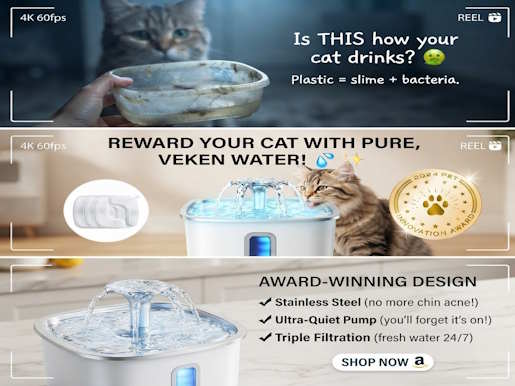
Stainless Steel Cat Water Fountain
A circulating water fountain designed to encourage cats to drink more, using flowing water rather than a static bowl.
- Continuous water circulation
- Stainless steel construction
- Replaceable filters
- + May encourage cats to drink more water
- + Easier to keep clean than some plastic fountains
- − Requires regular filter changes
- − Needs access to a power outlet

Interactive Cat Toy
A motion-based toy intended to encourage natural play behaviors like stalking, chasing, and pouncing for indoor cats.
- Automatic or motion-activated movement
- Multiple play modes
- Rechargeable or battery powered
- + Supports physical activity and mental stimulation
- + Can be used during work hours when supervision is limited
- − Some cats lose interest over time
- − Not a full substitute for interactive play with an owner
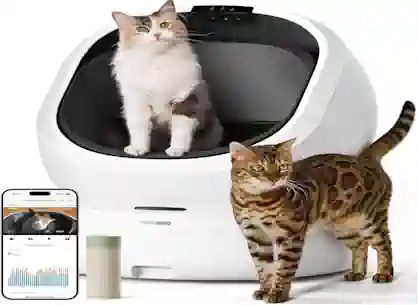
Self-Cleaning Litter Box
An automated litter box that rakes or sifts waste on a schedule or after use, reducing daily manual scooping.
- Automatic waste removal cycle
- Odor-control waste compartment
- Safety sensors
- + Reduces daily scooping workload
- + Can help manage odor between full cleanings
- − Higher upfront cost than a standard litter box
- − Still requires periodic manual cleaning and maintenance
Related Articles
Best Automatic Litter Boxes : Top 10 Self-Cleaning Litter Boxes Reviewed
Tired of the daily chore of scooping? You are not alone. Many pet owners are turning…
Cat Spraying No More Review: Does This System Really Stop Inappropriate Urination?
Dealing with inappropriate urination in cats can be one of the most frustrating challenges for any…

The Complete Guide to Cat Care: How to Keep Your Cat Healthy, Happy, and Comfortable
A practical, complete cat care guide covering feeding, litter, grooming, dental care, enrichment, and a simple…