
Table of Contents
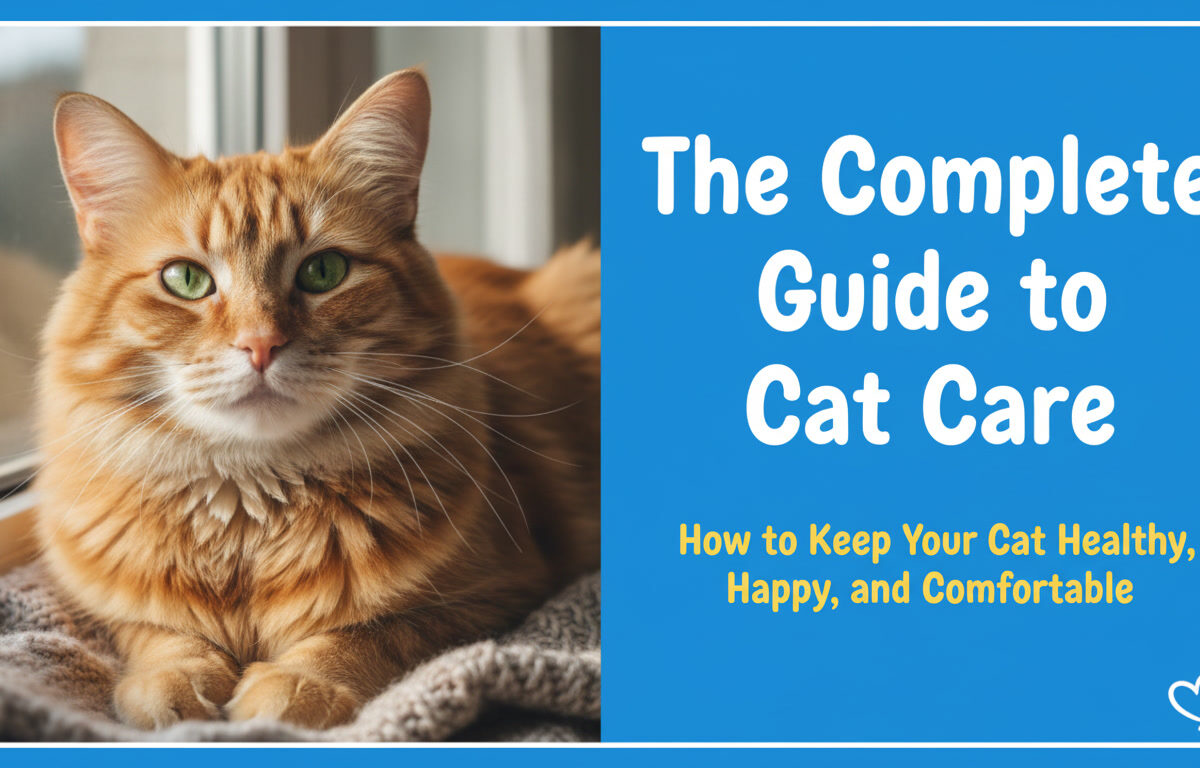
Good cat care is less about any single product and more about a handful of consistent daily habits: reliable food and water, a litter setup your cat actually wants to use, regular grooming, safe enrichment, and routine veterinary attention. This guide walks through what every cat needs, the most common mistakes new owners make, and a simple checklist you can return to whenever you want a quick refresher.
What Every Cat Needs
At a basic level, every cat — regardless of breed, age, or personality — needs the same core things: a balanced diet, constant access to fresh water, a clean litter box, a safe indoor environment, opportunities to exercise natural behaviors like scratching and climbing, and regular veterinary checkups. Everything else, from toys to furniture to grooming tools, exists to support those fundamentals.
Feeding Your Cat
Cats are obligate carnivores, meaning their diet should be built around animal protein. Most owners choose a combination of dry kibble for convenience and wet food for hydration and palatability, though either can work well on its own if it is a complete and balanced formula appropriate for the cat’s life stage. Feeding schedules vary: some owners free-feed dry food, while others prefer two or three measured meals a day, which can make it easier to notice changes in appetite. An automatic feeder can help maintain a consistent schedule for owners who are not always home at mealtimes.
Portion sizes should be based on the specific food’s guidelines and your cat’s weight, age, and activity level rather than guesswork, and any major diet changes are best made gradually over a week or so to avoid digestive upset.
Fresh Water
Cats often do not drink as much as they should, particularly if their diet is mostly dry food. Keeping water bowls clean, placing them away from food and the litter box, and offering multiple water sources around the home can encourage more frequent drinking. Some cats respond well to circulating water fountains, which many owners find increases interest in drinking compared to a still bowl.
Choosing the Right Cat Litter
Litter box setup is one of the most common sources of at-home behavior problems, and it is usually solvable with a few adjustments. As a general rule, keep one litter box per cat plus one extra, scoop daily, and fully change and wash the box regularly depending on the litter type. Unscented, fine-grained clumping litter is often better tolerated by cats than heavily scented or coarse alternatives. If a cat suddenly avoids the litter box, it is worth checking cleanliness, box location, and litter type before assuming it is purely behavioral — and ruling out a medical cause with a veterinarian if the problem continues.
Grooming
Regular brushing helps reduce loose hair, prevents matting (especially in long-haired cats), and gives you a chance to check for lumps, parasites, or skin issues early. Most cats tolerate short, calm grooming sessions a few times a week, particularly if they are introduced gradually and paired with something positive like a treat. Nail trims and occasional attention to ears are also part of a basic grooming routine, though owners who are uncomfortable trimming nails themselves can ask a vet or groomer for a demonstration.
Dental Care
Dental disease is extremely common in cats and can affect overall health if left unaddressed. Where possible, introducing tooth brushing with a cat-safe toothpaste, or offering dental-support treats and diets recommended by a veterinarian, can help support oral health between checkups. Bad breath, drooling, or visible tartar are signs worth mentioning at your cat’s next veterinary visit.
Exercise and Enrichment
Indoor cats in particular benefit from structured play that mimics hunting behavior — stalking, chasing, and pouncing on a wand toy, for example — rather than passive access to toys alone. Scratching posts, cat trees, window perches, and rotating a small selection of toys can all help keep an indoor cat mentally engaged and physically active, which supports both weight management and behavioral wellbeing.
Creating a Safe Home
A cat-safe home means securing or removing toxic plants, keeping small objects and strings out of reach, using cord covers for blinds, and making sure windows and balconies are secured with sturdy screens. It is also worth cat-proofing cabinets that contain cleaning products or medications, and being mindful of open flames, hot stovetops, and small spaces a curious cat could get stuck in.
Routine Veterinary Care
Even cats that seem perfectly healthy benefit from annual (or more frequent, for seniors) veterinary checkups, core vaccinations as recommended by your vet, and routine parasite prevention. Regular visits make it much easier for a vet to notice small changes over time and catch problems early, when they are often easier to manage.
Common Cat Care Mistakes
- Free-feeding without monitoring portions, which can contribute to weight gain over time
- Placing the litter box in a noisy or hard-to-reach location
- Skipping annual vet visits once a cat “seems fine”
- Introducing new cats, foods, or environments too quickly
- Assuming behavior changes are “just personality” instead of checking for an underlying cause
Cat Care Checklist
| Task | Frequency |
|---|---|
| Fresh water refill | Daily |
| Litter box scoop | Daily |
| Feeding (measured portions) | 1–3x daily |
| Interactive play session | Daily, several short sessions |
| Brushing | 2–4x weekly (more for long-haired cats) |
| Full litter box clean | Weekly, or per litter product guidance |
| Nail trim check | Every 2–3 weeks |
| Veterinary checkup | Annually (more often for seniors or kittens) |
FAQ
How many times a day should I feed my cat?
Most adult cats do well with two to three measured meals a day, though this can vary by age, health, and your veterinarian’s recommendation.
How many litter boxes do I need?
A common guideline is one litter box per cat, plus one additional box, placed in quiet, easily accessible locations.
How often should indoor cats see a vet?
Generally at least once a year for a healthy adult cat, and more frequently for kittens, seniors, or cats with ongoing health needs — always follow your vet’s specific recommendation.
This guide is for general information only and is not a substitute for professional veterinary advice.

catvira
Related Product Recommendations

Automatic Cat Feeder
A programmable feeder that dispenses set portions on a schedule, helpful for owners who are away during normal mealtimes.
- Programmable feeding schedule
- Portion control settings
- Large food capacity hopper
- + Helps maintain a consistent feeding routine
- + Useful for owners with irregular schedules
- − Requires initial setup and occasional cleaning
- − Battery or power backup recommended
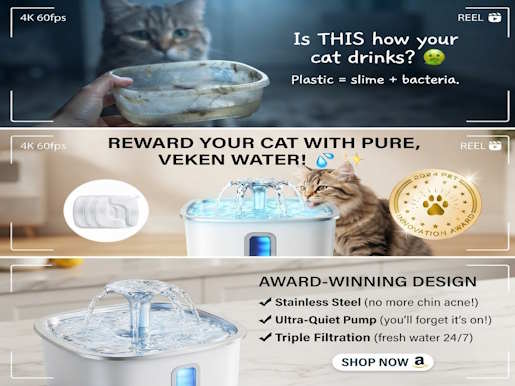
Stainless Steel Cat Water Fountain
A circulating water fountain designed to encourage cats to drink more, using flowing water rather than a static bowl.
- Continuous water circulation
- Stainless steel construction
- Replaceable filters
- + May encourage cats to drink more water
- + Easier to keep clean than some plastic fountains
- − Requires regular filter changes
- − Needs access to a power outlet

Interactive Cat Toy
A motion-based toy intended to encourage natural play behaviors like stalking, chasing, and pouncing for indoor cats.
- Automatic or motion-activated movement
- Multiple play modes
- Rechargeable or battery powered
- + Supports physical activity and mental stimulation
- + Can be used during work hours when supervision is limited
- − Some cats lose interest over time
- − Not a full substitute for interactive play with an owner

Self-Cleaning Litter Box
An automated litter box that rakes or sifts waste on a schedule or after use, reducing daily manual scooping.
- Automatic waste removal cycle
- Odor-control waste compartment
- Safety sensors
- + Reduces daily scooping workload
- + Can help manage odor between full cleanings
- − Higher upfront cost than a standard litter box
- − Still requires periodic manual cleaning and maintenance
Related Articles
Cat Insurance Guide : How to Choose the Best Plan & Save Money on Vet Bills
Owning a feline companion brings immense joy, but it also comes with the responsibility of managing…
Best Automatic Litter Boxes : Top 10 Self-Cleaning Litter Boxes Reviewed
Tired of the daily chore of scooping? You are not alone. Many pet owners are turning…
Cat Spraying No More Review: Does This System Really Stop Inappropriate Urination?
Dealing with inappropriate urination in cats can be one of the most frustrating challenges for any…